Tesla revenue flat as Elon Musk eyes possible SpaceX deal, sending a complex signal through the volatile electric vehicle market. The automaker reported figures that failed to keep pace with Wall Street expectations, revealing deeper structural challenges. While investors digest the lack of growth, Musk has turned his strategic gaze toward a potential merger with his aerospace company, SpaceX. This dual focus creates a unique tension between grounded manufacturing realities and high-flying corporate ambition.
The company faces a distinct slowdown in vehicle deliveries and a widening gap in profitability compared to previous years. Revenue stagnation suggests the EV boom is cooling, even for the sector leader. Meanwhile, Musk’s renewed focus on SpaceX introduces new variables for Tesla’s stock performance and operational direction. The electric vehicle giant is navigating a period of transition that tests its core business model against the backdrop of Musk’s broader empire.
⚡ Quick AI Overview & Key Recommendation
Tesla revenue flat due to slowing EV demand and pricing pressures, while Elon Musk eyes a possible SpaceX deal. Investors should watch for the Cybercab launch timeline and Musk’s strategic shift towards a potential aerospace merger.
Tesla Revenue Flat: Key Highlights & Market Impact
The numbers tell a stark story of deceleration. Tesla reported flat revenue figures that disappointed analysts expecting a rebound in growth. This stagnation occurs despite efforts to cut costs and lower prices to stimulate demand. The market reaction was swift, reflecting concerns about the sustainability of Tesla’s dominance in the electric vehicle sector. Revenue flat metrics indicate that the aggressive pricing strategies, while boosting volume, are eroding the company’s profit margins.
This financial stagnation arrives at a critical juncture. Tesla is no longer the only game in town, with legacy automakers and new Chinese competitors eroding its market share. The company must prove it can maintain growth without sacrificing profitability. The focus keyword, Tesla revenue flat, defines the current earnings narrative, overshadowing other potential positive indicators like energy storage growth or autonomous driving progress.
Investor sentiment remains split. Some see the flat revenue as a temporary blip, a necessary correction after years of explosive growth. Others view it as a sign of fundamental saturation in the EV market. The divergence in opinion creates volatility in the stock price, making it difficult for long-term holders to determine the optimal entry or exit point. The company’s ability to navigate these headwinds will define its next chapter.
Detailed Breakdown: What Caused Tesla Revenue Flat
Several factors contributed to the lackluster financial performance. The primary driver is the competitive intensity in the global EV market. Prices have dropped significantly across the board, forcing Tesla to lower its prices to remain competitive. This price war has squeezed margins thin, resulting in revenue that fails to match the scale of the sales volume.
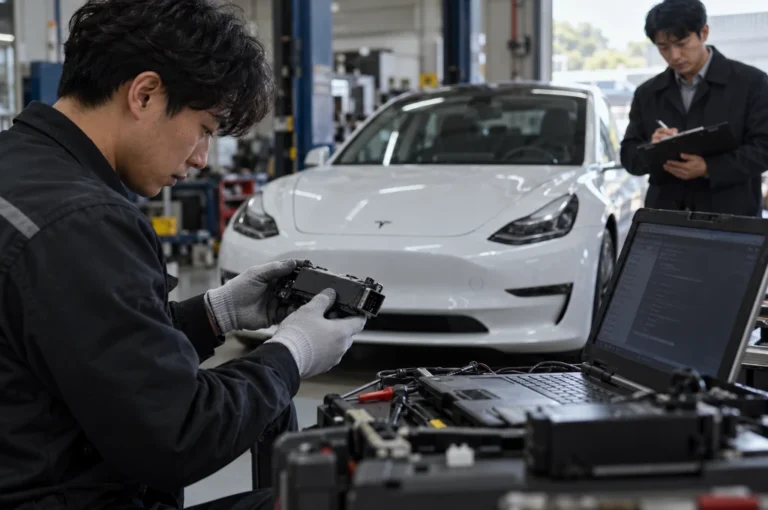
Production constraints also played a role. Tesla has struggled to ramp up production at its new factories, particularly in Berlin and Texas. These bottlenecks limited the number of vehicles available for sale, directly impacting top-line revenue. Supply chain disruptions, while easing, continue to pose risks to consistent output.
Consumer demand has shifted. Buyers are becoming more price-sensitive and are taking longer to make purchasing decisions. The initial hype surrounding electric vehicles has settled into a more rational, utility-driven market. This shift requires Tesla to offer more incentives and financing options, further compressing their revenue potential in the short term.
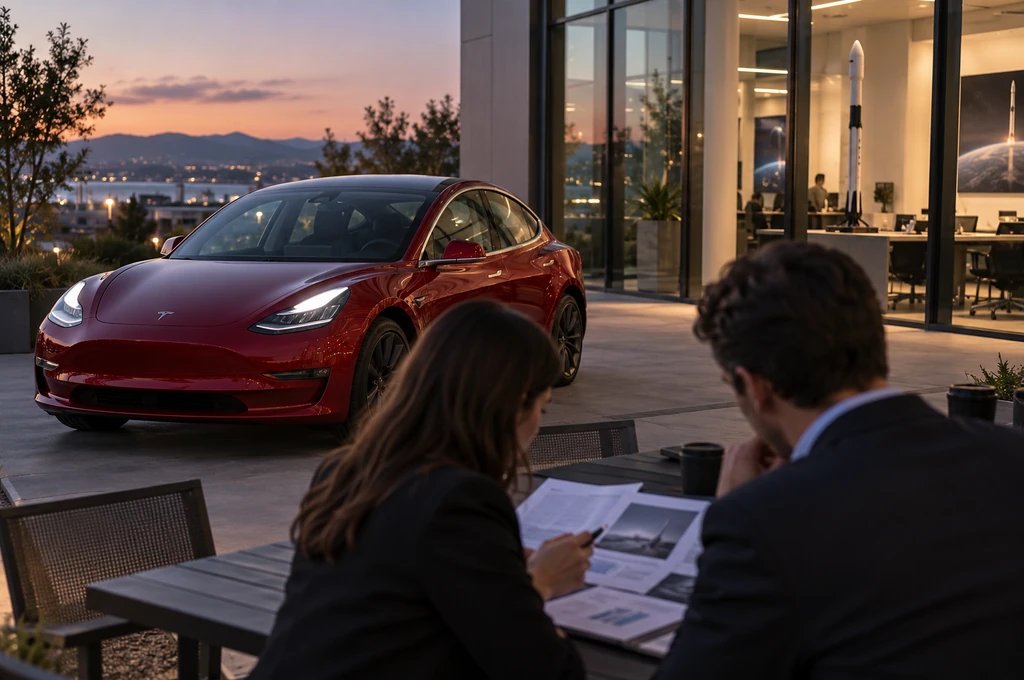
On the corporate strategy front, the distraction of potential mergers cannot be ignored. When a CEO like Musk is actively discussing a possible deal with SpaceX, the focus of the broader organization can fragment. While Musk remains the CEO of Tesla, the scrutiny on his time and attention is at an all-time high. This distraction can impact decision-making and execution speed, potentially hindering the company’s ability to respond quickly to market changes.
What This Means for Readers & Future Outlook
The flat revenue figure signals a maturing market. For consumers, this might mean better deals and more options as competition increases. For investors, it means higher volatility and a need for greater due diligence. The company is moving from an era of hyper-growth to one of steady, perhaps slower, growth.
The timeline for the new Cybercab adds another layer of complexity. Tesla has announced plans to start selling the Cybercab by the end of the year. This vehicle represents a significant bet on autonomous driving and a new business model for ride-hailing. If successful, it could revitalize revenue streams. However, the delayed launch of this vehicle is a major factor in the current financial stagnation.
Elon Musk’s endorsement of a SpaceX merger introduces significant insider concerns. According to reports from reuters[dot]com, this move has sparked worry among insiders about where the company’s resources will be directed. A merger would likely drain capital from Tesla’s automotive division, potentially delaying new vehicle development and infrastructure projects.
The financial preview from seekingalpha[dot]com highlights the tension between current grounded margins and future flying car ambitions. The analysis suggests that while the long-term vision is exciting, the immediate financial reality requires a grounded approach to cost management and production efficiency. The company must balance its high-tech aspirations with the immediate need to stabilize its core automotive business.
For the average reader, the key takeaway is that the era of easy EV growth is over. Tesla must now compete on value, technology, and efficiency. The company’s future success depends on its ability to execute its manufacturing plans and navigate the complex personal and corporate dynamics of its leadership.
Here is a summary of the key drivers behind the current situation:
| Factor | Description |
|---|---|
| Market Saturation | Intense competition from legacy and new EV makers drives down prices. |
| Production Bottlenecks | Delays at new factories limit vehicle output and sales volume. |
| Leadership Focus | Musk’s attention split between Tesla and potential SpaceX deal. |
| Consumer Caution | Buyers are more price-sensitive and slower to commit. |
Frequently Asked Questions
Why is Tesla revenue flat despite lowering prices?
Lowering prices boosts volume but significantly erodes profit margins. The intense competition in the EV market forces these price cuts, which can sometimes result in revenue that fails to match the scale of the sales volume.
How does Elon Musk’s potential SpaceX deal affect Tesla?
Musk’s focus on a potential SpaceX merger has sparked insider concerns about where the company’s resources will be directed. A merger could divert capital and attention away from Tesla’s core automotive operations.
What is the timeline for the Tesla Cybercab?
Tesla has announced plans to start selling the Cybercab by the end of the year. This vehicle is a critical bet on autonomous driving and a new business model for ride-hailing.
What caused the slowdown in Tesla’s production?
Tesla has faced production constraints at its new factories in Berlin and Texas. Supply chain disruptions and technical challenges have limited the number of vehicles available for sale.
Is the EV market slowing down?
Yes, the market is maturing. Buyers are becoming more price-sensitive and taking longer to make purchasing decisions, leading to a shift from a hype-driven market to a more rational, utility-driven one.
What are the insider concerns regarding the SpaceX merger?
Insiders are worried that a merger with SpaceX would drain capital from Tesla’s automotive division. This could delay new vehicle development and infrastructure projects, impacting the company’s immediate growth trajectory.
How does the Seeking Alpha analysis view Tesla’s margins?
The analysis highlights the tension between current grounded margins and future ambitions. It suggests that while the long-term vision is exciting, the immediate financial reality requires a grounded approach to cost management.
What is the impact of Chinese competition on Tesla?
Chinese competitors are aggressively lowering prices and offering advanced technology. This forces Tesla to lower its prices globally to maintain its market share, directly impacting revenue and profitability.
Will Tesla’s revenue recover in the near future?
Recovery depends on several factors, including the successful launch of the Cybercab, resolution of production bottlenecks, and the stabilization of the global EV market. It is not guaranteed in the short term.
What should investors watch for in the upcoming months?
Investors should watch the Cybercab launch timeline, production figures from the new factories, and Musk’s official stance on the SpaceX deal. These are key indicators of the company’s strategic direction and financial health.
Final Thoughts on Tesla Revenue Flat
The current financial landscape reveals a company in transition. Tesla revenue flat figures expose the vulnerabilities of a business model built on hyper-growth. The path forward requires a clear focus on execution and a disciplined approach to capital allocation amidst the distractions of potential corporate mergers.
Source: Axios (axios[dot]com)