
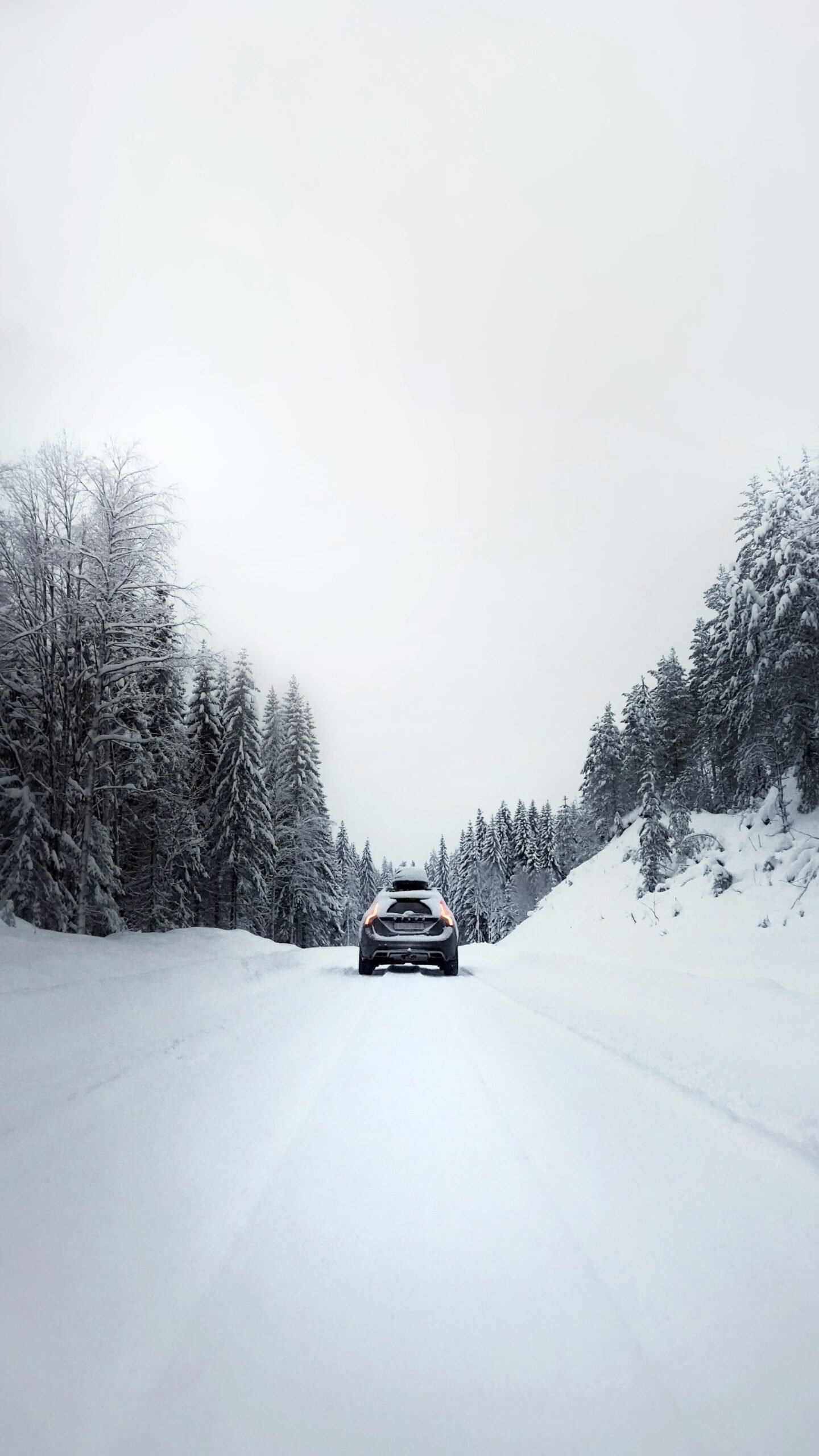
Every EV loses range in winter. The size of the loss varies enormously between cars and, importantly, between drivers of the same car. Understanding where the energy goes tells you which habits are worth changing.
- Three things cost you range: cabin heating, cold battery chemistry and denser cold air.
- Cabin heating is the biggest single drain, and a heat pump reduces it substantially.
- Preconditioning while still plugged in uses grid power instead of battery power.
- Expect a meaningful winter reduction even after doing everything right. Plan for it.
Where the energy actually goes
The first and largest cost is cabin heating. Unlike a petrol car, an EV has no substantial waste heat to borrow, so warming the interior draws directly from the pack. Resistive heaters are simple but hungry; heat pumps move heat rather than creating it and are far more efficient in moderate cold.
The second is the battery itself. Cold cells have higher internal resistance, deliver less usable energy and accept charge more slowly. Some energy is also spent warming the pack so it can work properly.
The third is physics outside the car: denser cold air raises aerodynamic drag, winter tyres have higher rolling resistance, and snow or slush adds more.
The single highest-value habit
Precondition while the car is still plugged in. Warming the cabin, and where supported the battery, on grid power means you set off with a full pack and a warm interior instead of spending battery energy on both. On most cars this is a schedule in the app or the infotainment system.
Set a departure time so the car warms itself before you leave, and leave it plugged in while it does. This is the difference between a modest winter loss and a large one.
What else genuinely helps
- Use seat and steering wheel heating first. Heating a person costs a fraction of heating an entire cabin.
- Precondition the battery before fast charging. Navigate to the charger in the car’s own system so it arrives warm.
- Keep speeds sensible. Drag is worse in cold air, so the penalty for high motorway speeds grows.
- Check tyre pressures. Pressure falls as temperature drops, and low pressure costs range year round.
What does not help much
Turning the heating off entirely is a miserable way to recover a small amount of range once the cabin is already warm; the bulk of the energy goes into the initial warm-up. Eco mode helps mainly by limiting climate output, which you can do more comfortably yourself.
Plan for the season, not the day
The practical answer is to treat winter range as a different number rather than a fault. Work out your own cold-weather consumption over a couple of weeks, plan charging stops against that figure, and the season stops being stressful.
Frequently asked questions
How much range does an EV lose in winter?
Expect a meaningful reduction, driven mostly by cabin heating rather than the battery itself. The exact figure varies widely by car, by whether a heat pump is fitted, and by how you use preconditioning.
What is preconditioning and why does it matter?
Preconditioning warms the cabin, and on many cars the battery, before you set off. Done while still plugged in it draws from the grid instead of the pack, so you leave with a full battery and a warm car.
Why is fast charging slower in winter?
A cold battery has higher internal resistance and cannot safely accept high current, so the charger reduces its rate until the pack warms. Navigating to the charger in the car own system usually triggers battery preconditioning and avoids most of the delay.