
Switching to an electric car changes fuelling, servicing and sometimes parking. Most first-time buyers over-research range and under-research charging access, which is the opposite of how ownership actually feels.
- Where you charge overnight matters more than how far the car goes.
- Ask for real-world consumption in kWh per 100 km, not just the claimed range.
- Battery warranty terms and the state-of-health threshold are the numbers to read carefully.
- Check the AC charging rate, the DC peak, and whether a heat pump is fitted.
Before the showroom
- Where will it charge overnight? Driveway, allocated bay, workplace or public only. This single answer shapes everything else.
- What is your genuine weekly distance? Check the odometer over a fortnight rather than estimating.
- How often do you drive more than 250 km in a day? If the answer is a handful of times a year, plan for those days rather than buying for them.
- Is there three-phase supply at home? It decides whether 11 kW charging is even possible.
At the dealer
- What is the usable battery capacity? Usable is always less than gross. Consumption maths should use the usable figure.
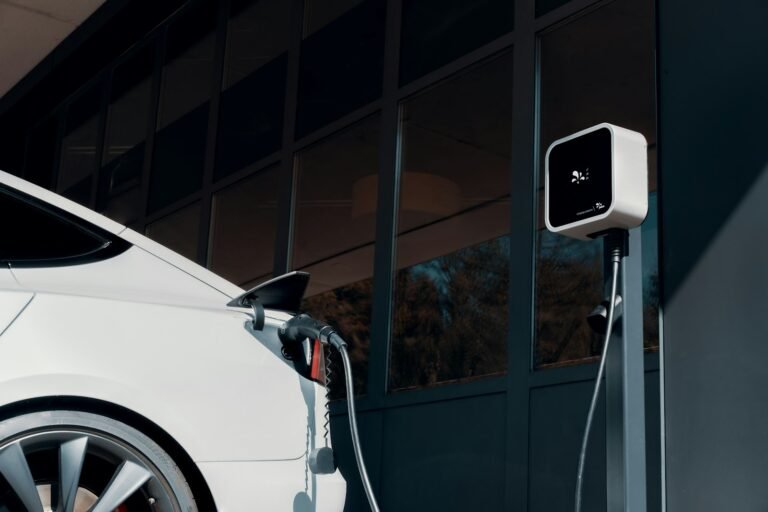
- What is the onboard AC charging rate? This governs home charging speed.
- What is the DC peak, and the 10 to 80 per cent time? The time matters far more than the peak.
- Is a heat pump fitted, or optional? It materially reduces winter energy use for cabin heating.
- What does the battery warranty actually promise? Most cover a state-of-health floor over a term. Ask for the percentage and the years.
- What is included in servicing, and at what interval? EV servicing is usually lighter, but brake fluid, coolant and cabin filters still exist.
Before you sign
- What is the charging cable situation? Confirm which cables are supplied. A Type 2 cable is often an extra.
- What happens to the warranty if you fast charge often? Reputable manufacturers do not penalise normal DC use, but get the answer in writing.
City driving flatters every EV. Ask for at least twenty minutes at highway speed and watch the consumption readout. That number, not the brochure range, is what your long trips will feel like.
What to ignore
Do not let 0 to 100 times drive the decision. Almost every EV is quick enough, and the fast ones are usually the ones that use the most energy. Do not obsess over the largest available battery either. A bigger pack costs more, weighs more and charges for longer.
Frequently asked questions
What is the most important question to ask?
Where the car will charge overnight. Home or workplace charging changes the ownership experience more than any specification on the brochure, and it is the factor that decides whether range matters much at all.
How much range do I actually need?
Work from your real weekly distance rather than your worst case. Most drivers cover well under 60 km a day, which almost any modern EV handles with a large margin, and long trips are a charging-stop question rather than a range question.
Is a heat pump worth paying for?
In a cold climate, generally yes. A heat pump moves heat instead of generating it, so cabin heating consumes materially less energy in winter, which is when EV range is under most pressure.