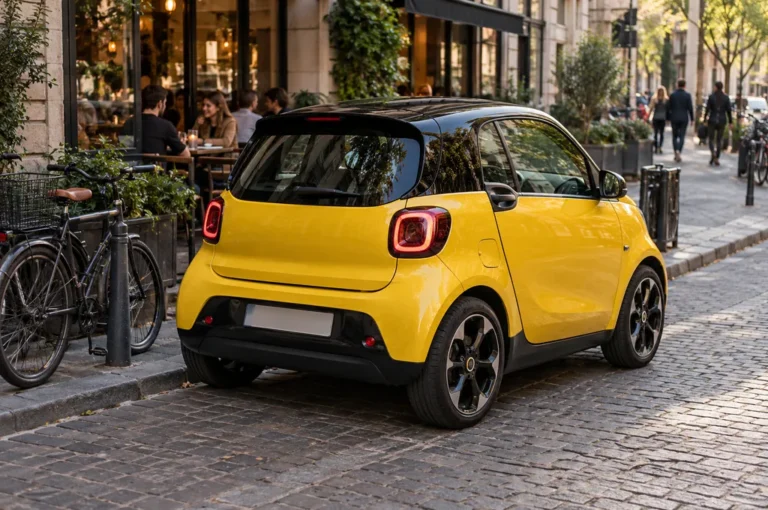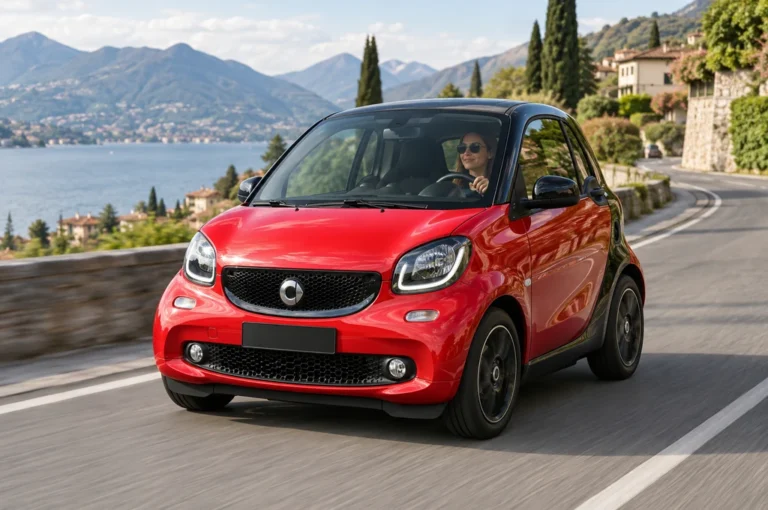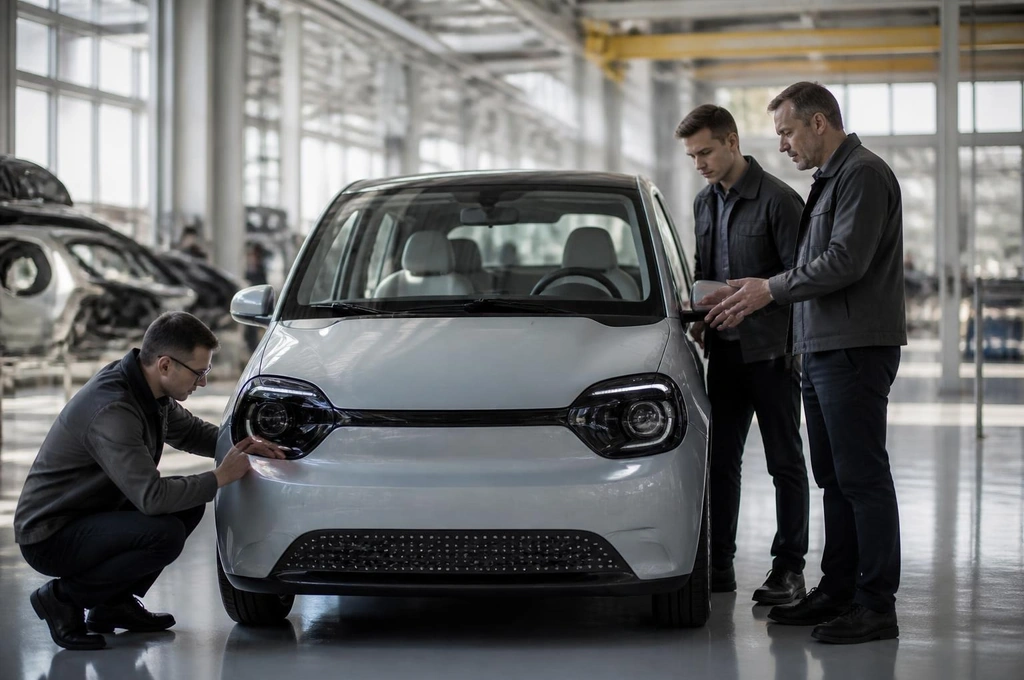
Toyota gets the green light for a new EV project that signals a major shift in global manufacturing. The Japanese automaker announced plans to invest roughly $1.3 billion in its Buenos Aires plant. This marks the largest single automotive investment in Argentine history. The goal is clear: build a new electric vehicle specifically designed to compete with Chinese manufacturers in their home market and beyond.
electric vehicle: Toyota Gets the Green Light for a New EV: Key Highlights & Market Impact
The scope of this deal is massive. It is not just a small update to an existing factory. It represents a complete overhaul of production capabilities. Toyota will install new technology and infrastructure. This allows the plant to produce a battery-electric vehicle from scratch. The move comes as global pressure mounts on legacy automakers to accelerate their transition away from internal combustion engines.
This investment puts Argentina at the center of the global EV race. Toyota aims to produce these vehicles for export. The primary target is the Asian market, particularly China. Chinese brands have flooded the global market with affordable, high-tech electric cars. Toyota wants to fight back with its own mass-market electric offerings. The company is betting that its reputation for reliability and scale can challenge the current market leaders.
The project creates thousands of jobs. It stimulates the local economy. It also signals confidence in the region’s potential as a manufacturing hub. For Toyota, it is a strategic move to secure supply chains and reduce reliance on single markets. The decision shows that the race for electrification is truly global. It is no longer just a competition between the US and Europe. Developing nations are becoming critical players in the new energy economy.
| Key Project Details | Market Implications |
|---|---|
| Investment: $1.3 billion USD | Target Market: China and Asia |
| Location: Buenos Aires, Argentina | Vehicle Type: New Battery Electric Vehicle |
| Status: Production Approved | Impact: Largest Auto Investment in Argentina |
Detailed Breakdown: What Caused Toyota to Accelerate This Move
Why now? Why Argentina? The timing is driven by a convergence of market forces and geopolitical realities. The Chinese EV market is saturated but fiercely competitive. Local brands like BYD and Geely offer advanced technology at aggressive prices. Foreign automakers have struggled to match this value proposition. Toyota’s new investment is a direct response to this challenge.
China is the world’s largest producer of electric vehicles. The country exports millions of cars annually. These exports have disrupted markets from Europe to South America. Toyota recognizes that it cannot simply ignore this reality. To compete, it must build where the demand is. By building in Argentina, Toyota gains proximity to Asian trade routes. It can produce vehicles that are tailored to local preferences.
There is also a strategic advantage to diversifying manufacturing. Over-reliance on a single region for production carries risks. The global supply chain has proven fragile. By establishing a new production base in South America, Toyota creates redundancy. This strategy helps insulate the company from future disruptions. It allows for greater agility in responding to changing consumer demands.
The Argentine government provided the necessary support. The green light for the project came with incentives and regulatory approval. This public-private partnership is essential for such large-scale industrial projects. It shows that the political environment is conducive to major investment. The government views this deal as a win for economic development.
What This Means for Readers & Future Outlook
For the average consumer, this news suggests more competition. As Toyota ramps up production, the supply of electric vehicles will increase. This can lead to more options and potentially lower prices. The entry of a legacy giant like Toyota into the mass market could force other manufacturers to lower their prices. It creates a healthier ecosystem for buyers.
The future looks electric. Toyota’s move proves that the internal combustion engine is a dying technology. The capital required to modernize plants is astronomical. It requires a long-term commitment. Only the strongest players can afford it. This investment sets a precedent for other legacy automakers. It shows that the transition is happening, regardless of short-term sales figures.
We can expect to see more similar investments in emerging markets. Countries with established automotive industries are becoming attractive destinations. They offer lower labor costs and government incentives. This trend will likely reshape the global automotive map in the coming decade.
Frequently Asked Questions
Where will Toyota build this new electric vehicle?
Toyota will build the new electric vehicle at its existing manufacturing site in Buenos Aires, Argentina.
How much is Toyota investing in this project?
Toyota is investing approximately $1.3 billion in the project, making it the largest single automotive investment in Argentine history.
Who is the target market for these new EVs?
The primary target market is China, specifically to compete with Chinese manufacturers who dominate the local EV sector.
Why is Argentina chosen for this production?
Argentina offers a strategic location for exports to Asia and benefits from government incentives for foreign direct investment.
What type of vehicle will be produced?
Toyota will produce a new battery-electric vehicle designed specifically for the mass market.
How will this impact the local economy?
The project is expected to create thousands of jobs and stimulate economic growth in the region.
Is this Toyota’s first EV?
While Toyota has sold hybrids for years, this specific investment focuses on building a new pure electric vehicle platform.
Will this affect global EV prices?
Increased competition from a major player like Toyota could lead to more affordable electric vehicle options for consumers.
What is the timeline for production?
The article confirms the project has received the green light, though specific production dates were not detailed in the reference text.
How does this compare to other recent EV investments?
This investment is significant because it targets the competitive Chinese market and is the largest in Argentine industrial history.
Final Thoughts on Toyota’s Strategic EV Push
Toyota gets the green light for a new EV that reshapes the competitive landscape. This $1.3 billion bet on Argentina proves that the global race for electrification is far from over. The company is adapting to a new reality where Chinese dominance is the standard. By building locally, Toyota aims to challenge that dominance head-on.
Source: Electrek (electrek[dot]co)