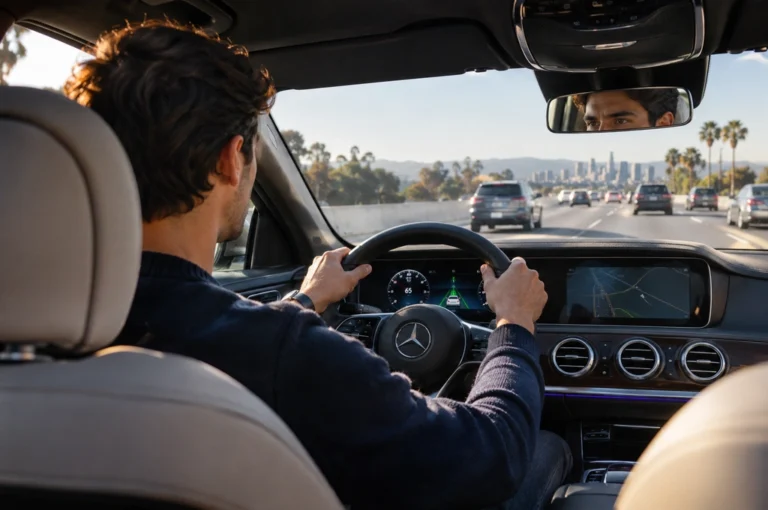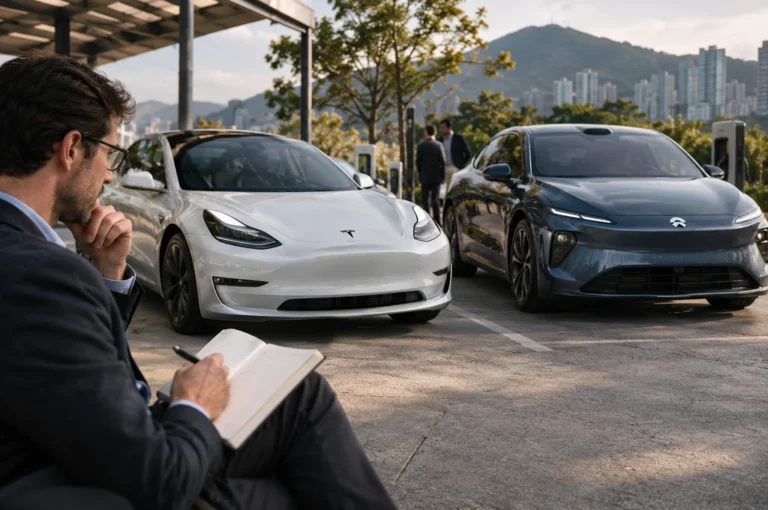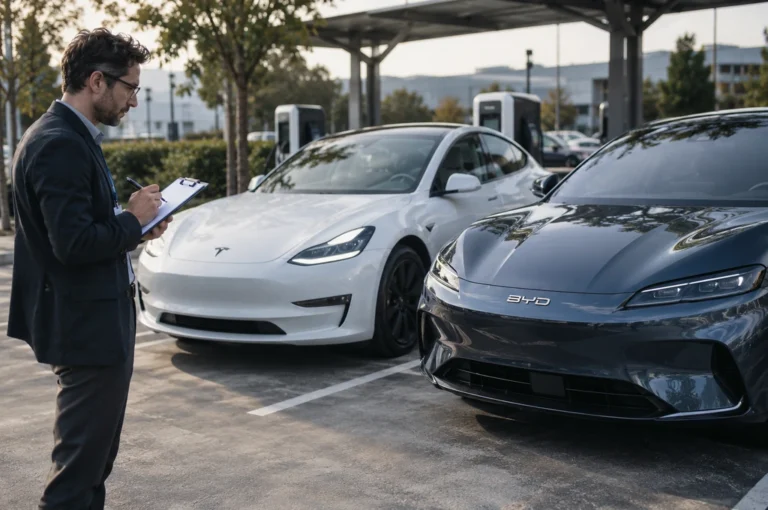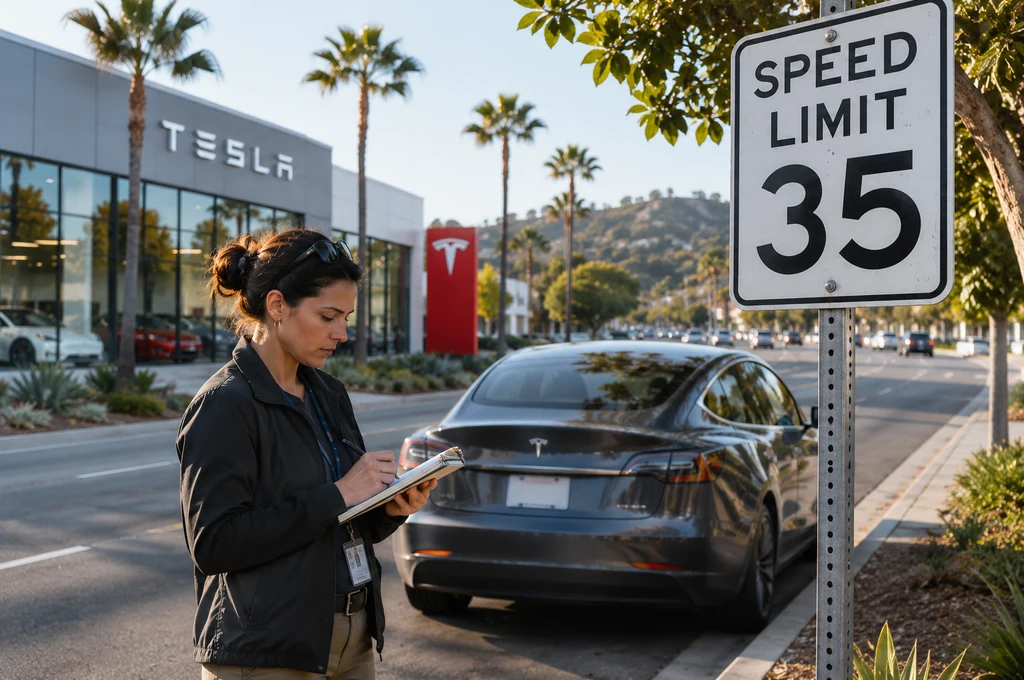
Tesla demo ride lawsuit: California regulators are scrutinizing a Tesla showroom accident after an alleged 83 mph test drive on a public road capped at 35-40 mph. The incident has sparked a legal battle involving four defendants. The case highlights the risks inherent in high-speed EV testing on public infrastructure.
⚡ Quick AI Overview & Key Recommendation
The lawsuit alleges Tesla representatives accelerated a vehicle to 83 mph on a road legally restricted to 35-40 mph. This extreme speed on a public road caused an accident, leaving four defendants named in the legal action. Consumers should verify speed limits and driver competence before accepting any test drive.
Tesla demo ride lawsuit: What Happened on That California Road?
Drivers in California face strict speed limits. The road in question is legally capped at 35-40 mph. Yet, reports indicate a Tesla representative accelerated the vehicle to 83 mph. This creates a massive 40-50 mph discrepancy. It is a dangerous breach of traffic laws. The high speed likely caused the accident. It raises serious questions about dealer responsibility.
Several parties are named as defendants. This includes the dealership staff and possibly the manufacturer. The legal action claims negligence. It argues that allowing such a high-speed test drive was reckless. The sheer velocity makes the event hard to ignore. It shows a clear disregard for safety protocols.
The Legal Implications for Dealerships
Dealerships bear a heavy burden of care. They must ensure test drives are safe. This means adhering to speed limits. It means using closed courses or qualified drivers. Allowing an uncontrolled 83 mph run on a public street is a failure of duty. The defendants face potential liability for damages and injuries. This case could set a precedent for how dealerships handle test drives.
The investigation will focus on the chain of events. Did the dealership instruct the driver? Did they ignore safety warnings? These are key questions for the court. The outcome could force stricter regulations on test drive procedures. It sends a message that safety comes first. Liability attaches to those who prioritize profit over public safety.
Real-World Calculations: Running Costs, Range & Government Subsidies
While legal battles rage, prospective buyers must look at the economics. Electric vehicles offer long-term savings. However, the initial cost is higher. The Tesla model involved in this lawsuit likely falls into the premium segment. These cars carry a significant price tag. But the operating costs are lower.
Consider the fuel savings. A gas vehicle might cost $3,000 to $5,000 annually in fuel. An EV can cost a fraction of that, especially with home charging. Electricity is generally cheaper than gasoline per mile. Maintenance is also lower. There are fewer moving parts in an EV engine. This reduces repair bills significantly over the vehicle’s life.
Government subsidies play a role. Many governments offer tax credits for EV purchases. These can reduce the effective price of the car. However, these subsidies often phase out. The eligibility depends on battery capacity and income. Buyers must check current local laws. These incentives make EVs more accessible to the average consumer.
Crucial Factors & What to Check Before You Buy
Buying an EV is different from buying a gas car. You need to check specific factors. First, assess your charging situation. Do you have home charging? If not, public charging access is vital. Range anxiety is real. You must ensure the car meets your daily driving needs.
Check the battery warranty. Most EV batteries come with long warranties. These cover capacity loss over time. This protects your investment. Also, research resale values. Electric cars depreciate differently than gas cars. Some models hold value better than others. A reliable resale market is crucial for long-term ownership.
Finally, consider the technology. Test the infotainment system. Ensure it is intuitive. Safety features are also paramount. Advanced driver-assistance systems can prevent accidents. But they are not a substitute for a responsible driver. Always verify the vehicle’s safety ratings before finalizing a purchase.
FAQ
What is the main claim in the Tesla lawsuit?
The lawsuit alleges that Tesla representatives accelerated a vehicle to 83 mph on a public road with a 35-40 mph speed limit, causing an accident.
Who are the defendants in the case?
Four defendants are named in the California lawsuit, including dealership staff and potentially the vehicle manufacturer.
What are the risks of high-speed test drives?
High-speed test drives increase the risk of accidents, injuries, and legal liability for the dealership and manufacturer.
How do running costs compare between EVs and gas cars?
EVs generally have lower running costs due to cheaper electricity compared to gasoline and reduced maintenance needs.
Are government subsidies available for electric vehicles?
Yes, many governments offer tax credits and subsidies to incentivize the purchase of electric vehicles.
What should a buyer check before purchasing an EV?
Buyers should check their home charging options, battery warranty, and the vehicle’s safety ratings.
How does battery warranty work for EVs?
EV battery warranties typically cover capacity loss over a certain number of years or miles, protecting the investment.
Is range anxiety a major concern for new EV buyers?
Range anxiety is a common concern, especially for those without home charging, so it is important to check real-world range.
Do EVs require less maintenance than gas cars?
Yes, EVs have fewer moving parts, which generally leads to lower maintenance and repair costs.
What is the role of the dealership in test drive safety?
Dealerships are responsible for ensuring test drives are conducted safely and within legal speed limits.
Final Verdict
This Tesla demo ride lawsuit serves as a stark reminder of the responsibilities involved in high-performance vehicle testing. The legal outcome will likely impact industry standards.
Source: The Auto Wire (theautowire[dot]com)