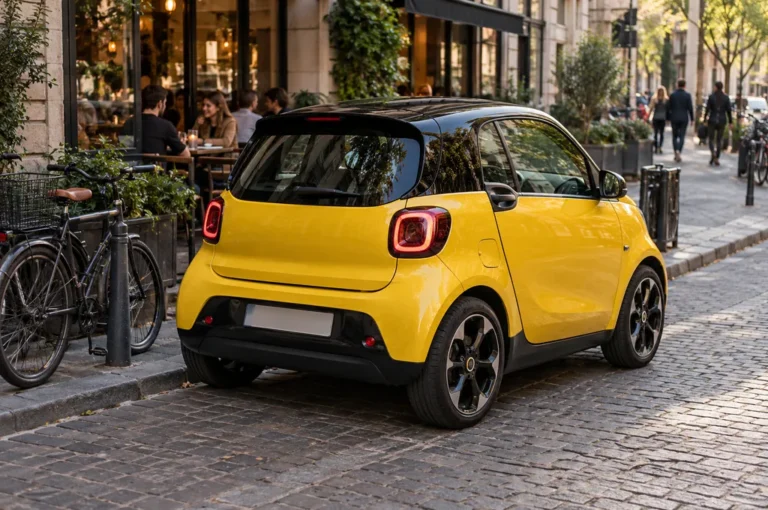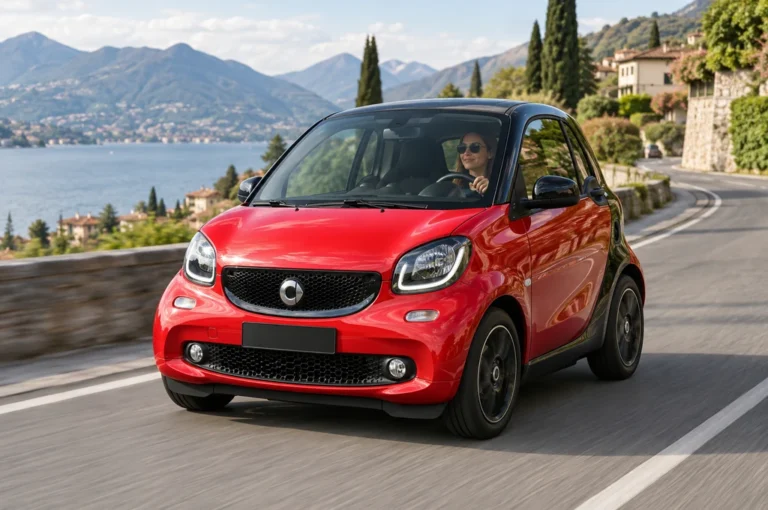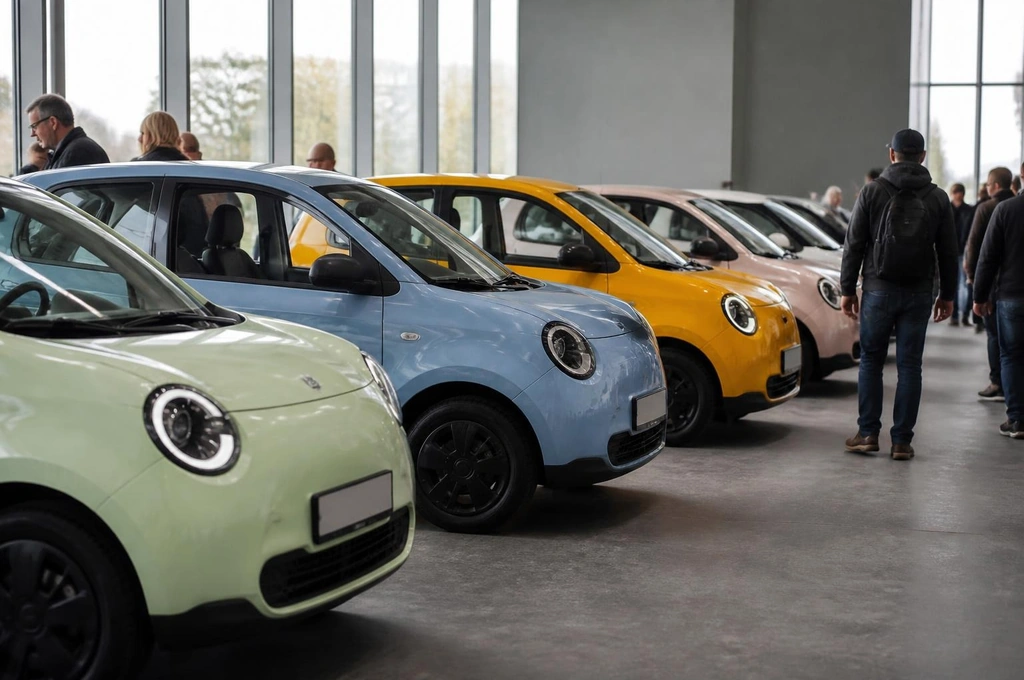
Stellantis low-cost electric cars are entering the European market as the multinational automaker fights to defend its home turf against fierce competition. Cheap imports from China and cooling consumer demand have squeezed margins across the continent. Stellantis needs volume right now. By introducing compact, wallet-friendly battery models under brands like Citroën and Fiat, the group aims to reverse market share losses and prove that mass-market electrification can still turn a solid operating profit.
The business stakes are massive. Investors tracking STLA on the New York Stock Exchange have watched European delivery figures contract over recent quarters. According to financial analysis on seekingalpha[dot]com, operating headwinds in Europe triggered executive urgency to fix product positioning. Mainstream buyers want sub-€25,000 vehicles, not luxury transport. Stellantis heard the message. Now comes the execution test.
Stellantis Low-Cost Electric Cars: Key Highlights & Market Impact
The roll-out centers on targeted urban runabouts. Citroën leads the charge with the ë-C3, joined by sibling models from Fiat and Opel designed on cost-disciplined global architecture. These vehicles trim manufacturing expense by using lithium iron phosphate (LFP) battery chemistry. LFP packs avoid pricey nickel and cobalt. They cost less to build. They take everyday abuse with little degradation.
Automotive analysts at Bloomberg note that price parity with combustion engines remains the single biggest hurdle for European buyers. Stellantis low-cost electric cars attack that barrier directly. Here is how the core portfolio shapes up:
| Model | Target Base Price | Battery Chemistry | WLTP Range |
|---|---|---|---|
| Citroën ë-C3 | €23,300 | LFP (44 kWh) | 320 km |
| Fiat Grande Panda Electric | Under €25,000 | LFP (44 kWh) | 320 km |
| Citroën ë-C3 (City Edition) | €19,990 | LFP (Compact) | 200 km |
Market reception will show whether European drivers embrace utilitarian battery mobility. While regional adoption rates vary, southern markets have shown surprising momentum. As observed in reports where Electric Cars Lead Sales for First Time – Portugal Decoded, accessible pricing quickly changes consumer buying habits. Stellantis wants to replicate that purchase behavior across France, Italy, and Germany.
Detailed Breakdown: What Caused the European Sales Slump
Stellantis stumbled because of several colliding market forces. First, subsidies disappeared abruptly in major nations like Germany. When state money dried up, retail registrations plummeted. Automakers that leaned heavily on high-margin, high-sticker models took direct hits. Second, domestic inflation pinched household budgets. Buyers postponed replacing their family cars.
Security and infrastructure debates added friction. As reported by demócrata[dot]com, institutions have scrutinized connected foreign vehicle platforms, creating caution in fleet procurements. Perception gaps remain equally stubborn. Research covered by autoguide[dot]com found that many consumers still believe battery vehicles lack real power and responsiveness. That belief is false, but perceptions influence showroom decisions.
Automotive soundscapes present another challenge. Creative design teams highlighted by creativebloq[dot]com have studied how pedestrian warning tones and interior acoustics shape consumer trust. Electric motors run silent. That silence sometimes unnerves traditional motorists. Carmakers now engineer custom audio signatures to give urban commuters a familiar sense of operational feedback.
Finally, Chinese brands brought aggressive price tags to European ports. Stellantis had to respond without wrecking its corporate margins. Financial disclosures tracked via U.S. Securities and Exchange Commission filings show the pressure on automotive gross margins. Cost discipline became survival strategy.
What This Means for Readers & Future Outlook
Shoppers finally gain realistic budget options. For years, European drivers faced a binary choice: pay €40,000 for a reputable electric crossover or stick with an aging petrol hatchback. Stellantis low-cost electric cars shatter that compromise. Lower payments expand battery ownership to working-class suburbanites and urban apartment dwellers.
These vehicles also carry functional utility beyond the road. Smart bidirectional charging is spreading fast across European power utilities. Many drivers explore tech similar to Outage-Ready Electric Cars: How Vehicle-to-Home Power Is Redefining Grid Backup, turning standard commuter batteries into residential power banks during blackouts.
Wall Street watches closely. Equity analysts cited by Investopedia stress that volume recovery is essential for auto conglomerates to maintain cash flow. If Stellantis converts curious showroom visitors into firm buyers, its market valuation will stabilize. If margins collapse under factory discounting, management will face tough questions from institutional shareholders.
Frequently Asked Questions
What are Stellantis low-cost electric cars?
They are affordable, mass-market battery vehicles produced by brands like Citroën and Fiat. These models use cost-efficient LFP batteries to keep retail prices near or below €25,000.
Which specific models lead this new budget lineup?
The Citroën ë-C3 and the Fiat Grande Panda Electric serve as the primary flagships. Both models share modular platform architecture engineered for low manufacturing expense.
Why did Stellantis need to introduce cheaper electric models?
European sales dropped following subsidy cuts and rising inflation. The company needed accessible vehicles to stop market share losses against aggressive Asian automakers.
What type of battery chemistry do these vehicles use?
They rely primarily on lithium iron phosphate chemistry. LFP packs omit expensive metals like cobalt, lowering production costs while offering durable cycle life.
How much driving range do these budget cars provide?
Standard models deliver roughly 320 kilometers on the WLTP cycle. A short-range city version planned for later release offers roughly 200 kilometers per charge.
Where does Stellantis trade for investors tracking the stock?
The company trades on the New York Stock Exchange under the ticker STLA. It also maintains primary listings on Euronext Milan and Euronext Paris.
Are these low-cost models profitable for the automaker?
Stellantis claims the modular platform and streamlined battery supply chains protect positive margins. Executive leadership prioritizes sustained per-unit profit over empty unit volume.
How do these cars compete with Chinese electric vehicles?
They counter import rivals through established local dealer networks, domestic assembly, and European Union subsidy qualification. Brand familiarity gives them an added sales advantage.
Can these affordable vehicles charge quickly on road trips?
Yes, models like the Citroën ë-C3 support direct-current fast charging up to 100 kW. That charge rate restores twenty to eighty percent capacity in under thirty minutes.
Will Stellantis low-cost electric cars launch in North America?
Current production runs focus strictly on European dealerships. North American product plans remain centered on larger utility vehicles and commercial vans.
Strategic Verdict on Stellantis Fleet Transformation
Stellantis low-cost electric cars prove that mass affordability is now the real battleground in European automotive retail. By replacing expensive battery chemistries with practical LFP packs, the automaker offers genuine transportation utility at prices ordinary families can afford. The strategy carries operational risk, but doing nothing was never an option.
Source: Seeking Alpha (seekingalpha[dot]com)