
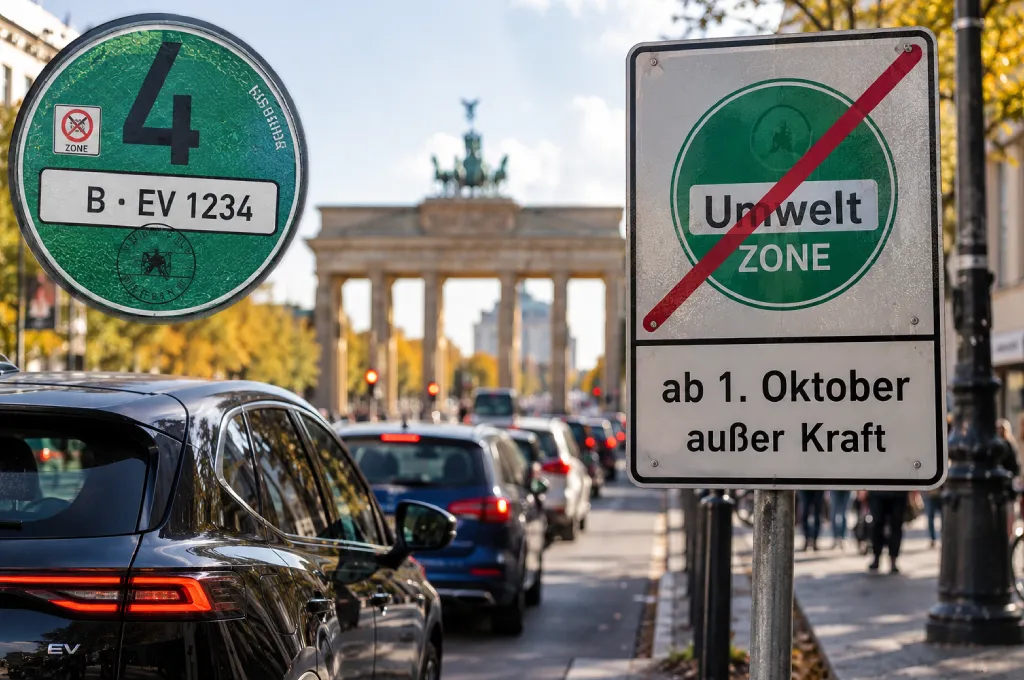
Germany is set to scrap the electric vehicles plaque (Umweltplakette) starting October 1, marking a significant shift in emission control policy. This change directly impacts drivers and signals a maturing market for clean transport.
The move removes a visible barrier for zero-emission cars, altering the landscape for both owners and city planners. It reflects a broader trend of removing incentives that are no longer needed.
Electric Vehicles: Key Highlights & Market Impact
October 1 brings a visible change to German streets. The electric vehicles eco-plaque is gone. This sticker, once mandatory for older cars, is now history for fully electric models. It simplifies the parking experience for drivers.
The decision has immediate consequences. Drivers of older combustion engines still need the sticker. This creates a split system. The market reacts to this distinction. It highlights the ongoing transition from traditional fuel to electric vehicles.
Policy makers view this as a success. The infrastructure for charging is expanding. Sales of electric vehicles are climbing. Removing the plaque removes a minor annoyance. It does not, however, remove the need for continued investment in infrastructure.
Detailed Breakdown: What Caused This Shift
The elimination of the sticker is not random. It follows years of data collection and policy review. The German government has met its environmental targets. The air quality in cities has improved. This success allowed them to relax the rules.
Analysts point to the rising adoption of electric vehicles. As sales numbers climb, the need for the sticker fades. The sticker served a purpose in the past. It was a tool to push the market forward. Now, the market is moving on its own.
However, the transition is not uniform. Older, less efficient cars still face restrictions. This dual system maintains pressure on the remaining polluters. It ensures the environmental gains are not lost.
What This Means for Readers & Future Outlook
For the average driver, the change is positive. Parking will be easier. No more hunting for the correct sticker. This is a win for convenience.
For the industry, it is a signal. The era of the sticker is over. The focus shifts to other incentives. These might include purchase grants or tax breaks. The market for electric vehicles is becoming self-sustaining.
The global context is also relevant. Other nations are watching. They see the German model. It shows that strict rules can coexist with a growing economy. The shift in Germany is a bellwether for the rest of the world.
| Feature | Current Status (Oct 1 Onward) | Previous Status |
|---|---|---|
| Umweltplakette for EVs | Not Required | Mandatory |
| Umweltplakette for ICE Cars | Still Required (Tier 1-4) | Mandatory (Tier 1-4) |
| Parking Access | Equal for EVs and ICE | EVs had an advantage |
| Focus | Infrastructure & Charging | Emission stickers |
- Convenience: EV owners face no more parking restrictions.
- Environment: Older cars still face strict emission rules.
- Market: The focus moves to purchase incentives and charging.
Frequently Asked Questions
Do I still need the eco-plaque for my gas car after October 1?
Yes, the eco-plaque remains mandatory for all conventional gasoline and diesel vehicles. Only fully electric cars are exempt from the sticker requirement.
What is the Umweltplakette?
The Umweltplakette is a green, yellow, or red sticker that indicates a car’s emissions level. It determines whether a vehicle can enter low-emission zones in German cities.
Why is Germany scrapping the sticker for electric cars?
Germany has successfully improved air quality and met its environmental targets. With more electric cars on the road, the sticker is no longer necessary for zero-emission vehicles.
Which German cities will this affect?
This change applies to all German cities and municipalities that have implemented low-emission zones (Umweltzone).
Is this a permanent change?
Yes, the abolition of the sticker for electric vehicles is permanent. The rules for conventional cars remain in place.
How does this impact parking fees?
Parking fees are generally not affected by the sticker change. The sticker only dictates access to low-emission zones.
Will other countries follow Germany’s lead?
Many countries are already removing restrictions for electric cars. This move in Germany is part of a broader global trend.
What about hybrid cars?
Hybrid cars are not fully exempt. They still need the eco-plaque based on their specific emissions rating.
When did the sticker first appear in Germany?
The eco-plaque was introduced in Germany in 2008 to combat air pollution in urban areas.
Where can I find more details on German driving laws?
You can find official information on the German government’s website or through trusted news outlets like reuters[dot]com.
Final Thoughts on the German EV Shift
The removal of the sticker for electric vehicles is a milestone. It marks a successful transition to cleaner transport. The focus now shifts to future challenges and opportunities.
Source: Visit Ukraine Today (visitukraine[dot]today)