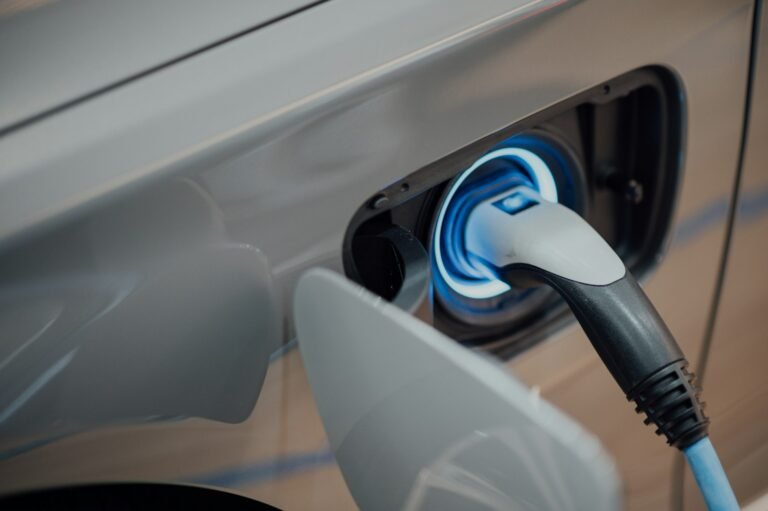

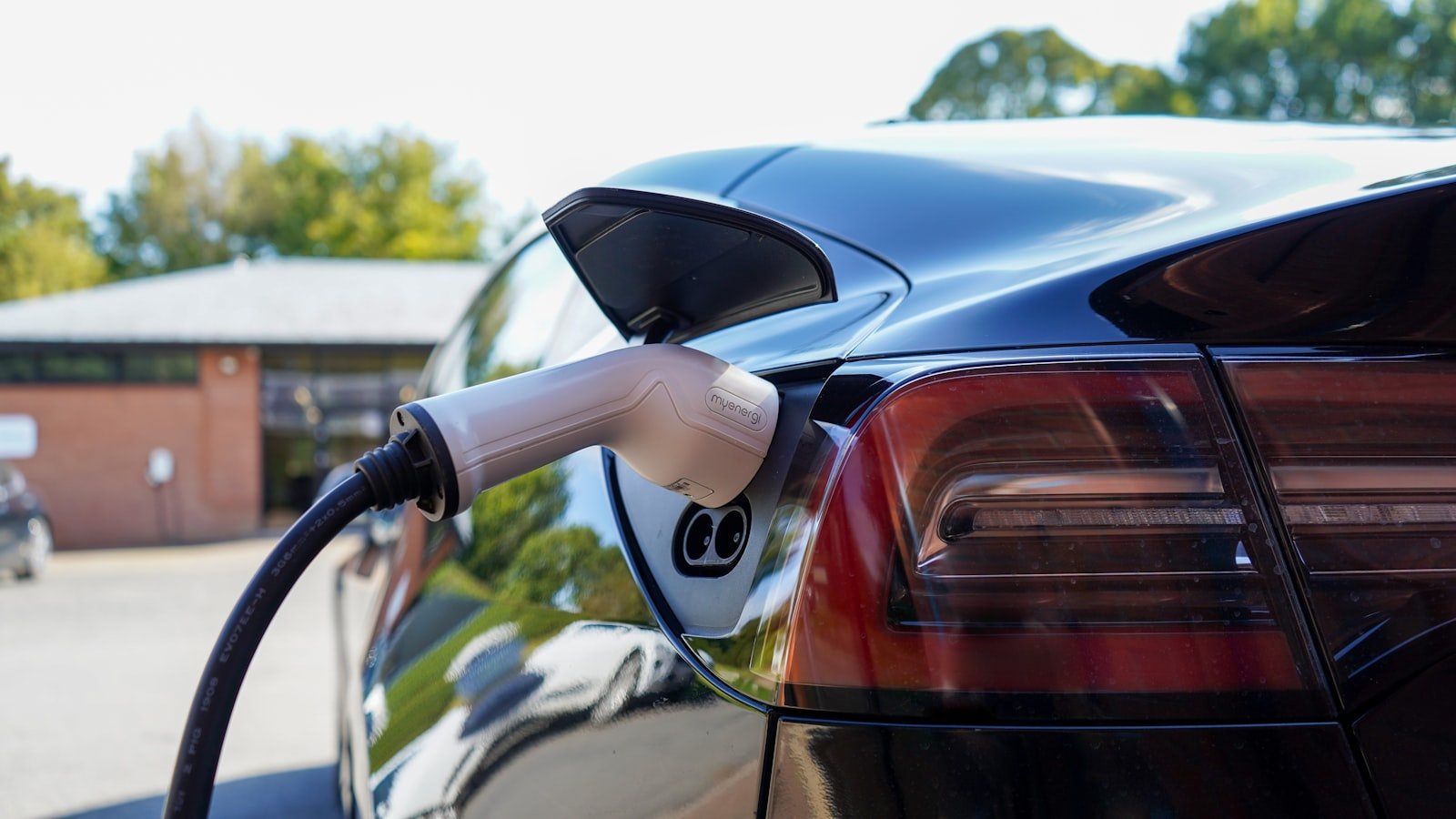
Charging connectors look more confusing than they are. Nearly every new EV uses one physical port that handles both slow AC charging and fast DC charging, with the DC pins sitting below the AC ones.
- Type 2 is the AC connector used for home and destination charging.
- CCS2 adds two DC pins below the Type 2 shape for fast charging.
- One port on the car accepts both. You do not need two sockets.
- Older or imported cars may use legacy DC standards, which limits where they can charge.
Type 2, for AC charging
Type 2 is the seven-pin round connector used for home wallboxes, workplace chargers and most public slow or destination points. It carries alternating current, which the car’s onboard charger converts to direct current for the battery. That onboard unit is why AC charging speed is capped by the car rather than the charger.
CCS2, for DC fast charging
The Combined Charging System, version two, keeps the Type 2 shape on top and adds two large DC pins underneath. High power chargers bypass the onboard charger and feed the battery directly, which is how they achieve speeds a home wallbox never could. When you see a car quoted as charging at 100 kW or more, that is CCS2 doing the work.
| Connector | Current type | Where you meet it | Speed governed by |
|---|---|---|---|
| Type 2 | AC | Home, workplace, destination | The car’s onboard charger |
| CCS2 | DC | Highway and public fast charging | The charger and the battery together |
| Legacy DC standards | DC | Older public sites | Site hardware, often limited |
The exceptions worth knowing
Some older vehicles and some imports use earlier DC standards. They still charge, but the network of compatible chargers is smaller and often lower powered. If you are buying used, check which DC standard the car supports and then check what is actually installed on the routes you drive.
AC adapters between connector types are common and generally fine. DC fast charging adapters are far more constrained, need to handle high current safely, and are not available or permitted for every combination. Check the manufacturer’s guidance before buying one.
Cables you should actually own
A DC fast charger always has its cable attached, so you never carry one. For AC, a Type 2 to Type 2 cable covers socketed public and workplace points, and is the one cable worth keeping in the boot. A granny lead for a domestic socket is a useful emergency backup and a poor primary plan.
How to check your own car in a minute
Open the charge flap. If the port is a round seven-pin shape with two extra round pins below it, you have CCS2 and Type 2 in one. If there are no lower pins, the car is AC-only and cannot use DC fast chargers at all.
Frequently asked questions
What connector does my EV use?
Open the charge flap. A round seven-pin socket is Type 2 for AC; if there are two larger pins below it, the car also supports CCS2 for DC fast charging. That one port covers both.
What is the difference between Type 2 and CCS2?
Type 2 carries alternating current for home and destination charging, limited by the car onboard charger. CCS2 adds two DC pins that bypass the onboard charger and feed the battery directly, which is what makes fast charging fast.
Do I need to carry a charging cable?
Carry a Type 2 to Type 2 cable for socketed AC points. DC fast chargers always have their cable permanently attached, so you never need to supply one.