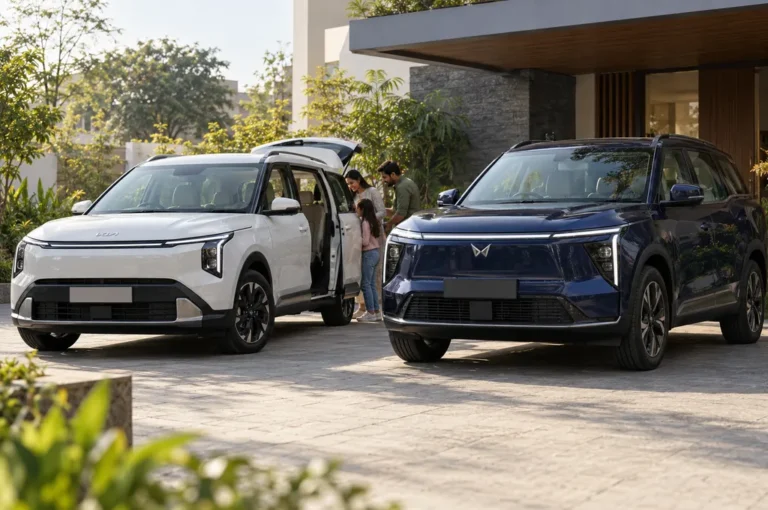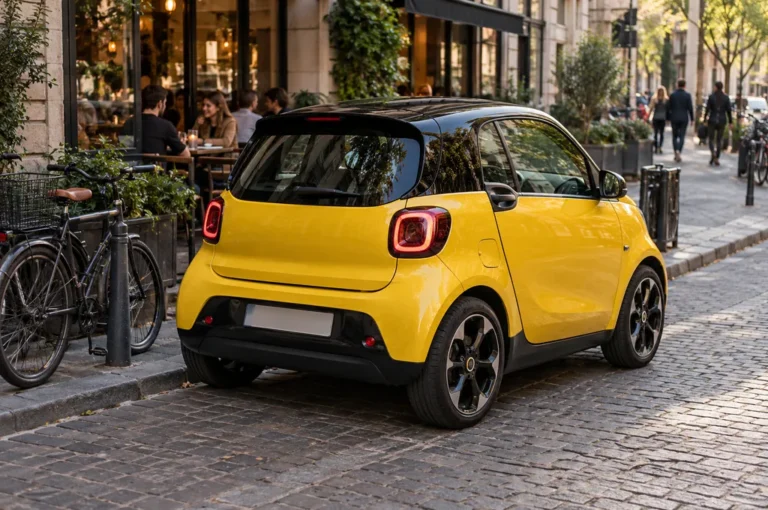
Manufacturers are racing to produce an affordable electric car under €15,000 by 2028, reviving classic models to meet budget-conscious demand. This move aims to democratize electric mobility, making zero-emission driving accessible to the masses.
Affordable Electric Car Under €15,000: Key Highlights & Market Impact
The automotive industry faces a paradox. High-end electric vehicles dominate headlines, yet the mass market remains underserved. Citroën’s plan to revive the legendary 2CV addresses this gap directly. The French automaker intends to reintroduce the beloved 2CV as a fully electric vehicle priced below €15,000. This strategy targets the heart of the European economy: the budget-conscious commuter.
Why does this matter? The 2CV was once the people’s car. It represented simplicity, utility, and affordability. Reimagining it as an electric vehicle bridges the gap between nostalgia and modern environmental responsibility. It signals a shift in manufacturing priorities. Brands are no longer just chasing luxury; they are fighting for the everyday driver.
Production targets are ambitious. By 2028, Citroën aims to have this electric 2CV rolling off assembly lines. The goal is to undercut established competitors in the entry-level EV segment. This forces established players to reconsider their pricing strategies. The market is no longer a luxury playground. It is becoming a battleground for volume and accessibility.
Here is the reality of the current landscape. While premium electric cars boast impressive ranges, they come with a high price tag. The average consumer struggles to justify a €30,000+ investment for a vehicle that serves basic commuting needs. The affordable electric car under €15,000 solves this friction point. It lowers the barrier to entry for electric adoption.
The implications extend beyond Citroën. If a legacy manufacturer can successfully launch a sub-€15k electric vehicle, other brands will follow. This creates a ripple effect throughout the industry. It pressures suppliers to reduce costs and encourages innovation in battery technology. The race is on to make electric vehicles as cheap as internal combustion engine (ICE) cars.
Frequently Asked Questions
Why is Citroën reviving the 2CV?
Citroën is reviving the 2CV to create an affordable electric car under €15,000, targeting the mass market demand for budget-friendly zero-emission vehicles.
When will the new electric 2CV be available?
Citroën plans to launch the electric 2CV by 2028, aiming to start production and sales during this timeframe.
What is the target price for the electric 2CV?
The target price is below €15,000, making it a competitive option in the entry-level electric vehicle segment.
How does this impact the electric vehicle market?
This revival puts pressure on other manufacturers to lower prices and innovate, making electric vehicles more accessible to the general public.
Is the new 2CV fully electric?
Yes, the revived 2CV is planned as a fully electric vehicle, moving away from the original combustion engine design.
Will the new 2CV retain the classic design?
While specific design details are not fully confirmed, the revival will likely draw inspiration from the classic 2CV’s silhouette and character.
Who is the target audience for this car?
The target audience includes budget-conscious commuters, city drivers, and those looking for a practical, low-cost electric vehicle.
How does this compare to other budget electric cars?
This car aims to be one of the most affordable options, potentially undercutting many current models in the European market.
What technology will be used in the electric 2CV?
While specifics are limited, it will likely utilize modern battery and motor technology scaled down for cost efficiency.
Is this a global or European launch?
The initial focus is likely on the European market, given Citroën’s strong presence there and the currency pricing.
Final Thoughts on the Electric 2CV Revolution
The return of the 2CV as an affordable electric car under €15,000 marks a pivotal moment for the industry. It proves that electric mobility can be practical and affordable, not just a luxury for the wealthy.
Source: Gagadget.com (gagadget[dot]com)