electric car: The Citroen 2CV electric concept brings back France’s most iconic economy car as an accessible, zero-emission city runabout. Revealed through creative design studies featured by autodesignmagazine[dot]com, this project strips away digital clutter to prioritize lightweight construction, mechanical simplicity, and low manufacturing costs.
Automakers took a wrong turn over the past decade. Modern battery platforms grew heavy, excessively complex, and unaffordable for average commuters. Bloated sport utility vehicles dominated showrooms, but buyers rejected high price tags. That disconnect creates an opening for functional minimalism. The original 1948 model mobilized French farmers across rough dirt tracks with a tiny two-cylinder engine. Today, replacing that air-cooled motor with an efficient electric drive unit restores the model to its original mission: basic transportation for everyone.
electric car: Citroen 2CV Electric Concept: Key Highlights & Market Impact
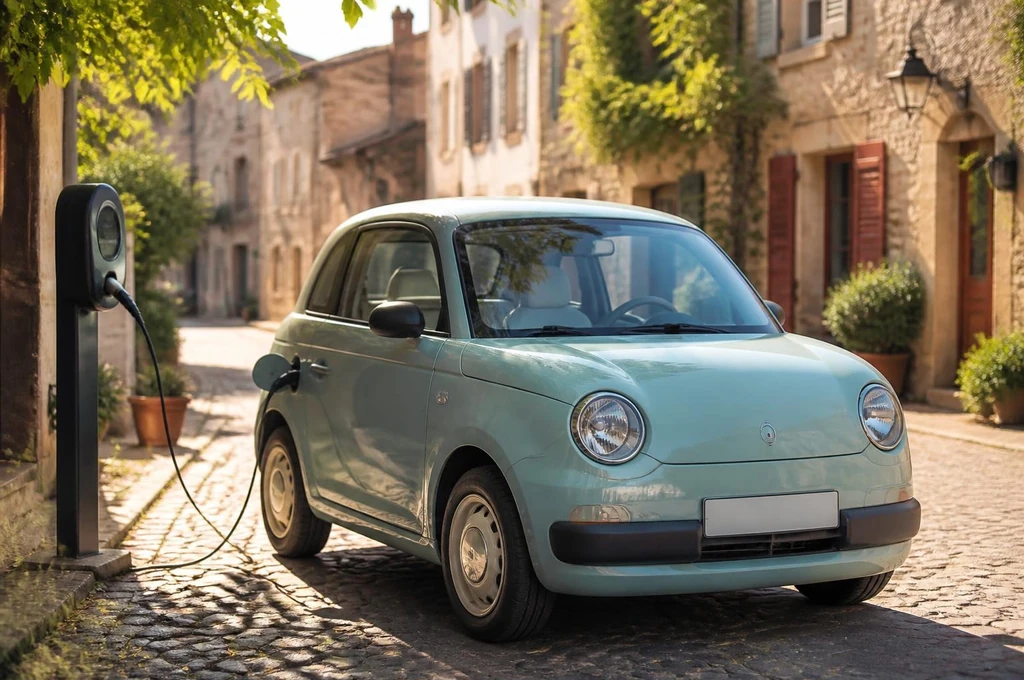
Designers reimagined the silhouette while keeping the practical silhouette intact. The arched roofline, corrugated front hood, and exposed wheel arches return in modern composite materials. Rather than packing massive battery packs into the floor, the concept uses a modest power pack tailored for daily commutes.
The Citroen 2CV electric concept strips away unnecessary screens and motorized trim. The cabin relies on durable canvas seats, open shelf storage, and a smartphone dock that acts as the primary infotainment interface. This approach slashes production expenses and trims curb weight. Lighter cars need smaller batteries, creating a virtuous cycle of efficiency and lower retail prices.
| Feature | Original 1948 Citroen 2CV | Citroen 2CV Electric Concept |
|---|---|---|
| Powertrain | 375 cc 2-cylinder air-cooled petrol | Front-mounted electric motor (~60 kW) |
| Battery / Fuel Tank | 20-liter fuel tank | 32 kWh lithium-iron-phosphate (LFP) |
| Target Range | ~300 km on petrol | ~220 km (WLTP urban cycle) |
| Curb Weight | 560 kg | Under 950 kg |
| Interior Focus | Hammock seats, canvas roll-top | Recycled textiles, phone dock, open shelf |
Market observers tracking industry shifts through Reuters report that car buyers are pushing back against luxury EV prices. Compact vehicles that balance heritage styling with true utility attract urban drivers who want low running costs instead of track-ready acceleration.
Detailed Breakdown: What Caused This Shift Toward Retro Simplicity
The development of the Citroen 2CV electric concept reflects genuine consumer exhaustion with high vehicle costs. Auto loan interest rates climbed sharply over recent quarters, a trend documented by analysts at Investopedia. When financing rates rise, expensive electric cars sit unsold on dealership lots.
Car executives are speaking out against rigid regulations. In remarks covered by telegraph[dot]co[uk], Renault leadership argued that aggressive sales mandates do not reflect realistic buyer budgets. Automakers must deliver sub-20,000-euro models, or drivers will hold onto aging petrol cars. In emerging markets, companies face similar margin challenges; as reported by storyboard18[dot]com, Audi explores local Indian manufacturing assemblies to remain competitive under steep import taxes.
Citroen already proved that simplicity sells. The tiny Citroen Ami quadricycle demonstrated that commuters will accept reduced range in exchange for rock-bottom monthly payments. Scaling that philosophy into a highway-capable B-segment hatchback offers a practical path forward for European city transit.
What This Means for Readers & Future Outlook
For city drivers, a lightweight vehicle simplifies daily life. Small battery packs charge quickly on standard AC wall boxes, eliminating the need to search for high-voltage DC fast stations. Municipal infrastructure is adjusting as well. Initiatives like On-Street Electric Car Charging to Get Cheaper in Brighton and Hove show how local councils lower charging barriers for residents without driveways.
By focusing on essential transport, the Citroen 2CV electric concept offers a blueprint for sustainable fleet replacement. Southern European markets already show rapid adoption patterns when pricing aligns with regional wages, as detailed in our analysis of how Electric Cars Lead Sales for First Time – Portugal Decoded. Market projections published by Bloomberg indicate that small electric runabouts will dominate urban registrations across the Mediterranean by the end of the decade.
Emerging technology could also extend the operational life of small city cars. R&D teams are testing dynamic induction systems; experimental highway trails reported by voi[dot]id highlight how Honda tests wireless power delivery while driving. Meanwhile, lightweight runabouts can integrate bidirectional power transfer, mirroring systems seen in Outage-Ready Electric Cars: How Vehicle-to-Home Power Is Redefining Grid Backup to support regional power grids during peak brownouts.
Frequently Asked Questions
What is the Citroen 2CV electric concept?
The Citroen 2CV electric concept is a modern design study that revives the classic French 2CV as a lightweight, affordable battery-electric vehicle for city commuting.
Will Stellantis put the Citroen 2CV electric concept into production?
Parent company Stellantis has not announced an official production line for the concept. However, company leadership frequently evaluates heritage-inspired compacts for their Smart Car platform.
What battery capacity would a production version use?
The design study envisions a pack around 30 to 35 kWh utilizing lithium-iron-phosphate cells. That size balances real-world urban range with lower manufacturing costs.
What driving range can drivers expect from this vehicle?
A lightweight runabout with a 32 kWh pack could deliver roughly 200 to 220 kilometers of mixed city and suburban range under normal driving conditions.
How does the design honor the original 1948 Citroen 2CV?
It keeps the distinct curved silhouette, corrugated hood detailing, canvas folding roof, and utilitarian bench seating while updating the materials to meet modern crash safety regulations.
Why are automakers shifting toward retro styling for entry-level EVs?
Familiar retro styling builds emotional trust with skeptical car buyers. Nostalgic shapes stand out on the street without requiring complex, expensive body stampings.
How would the vehicle handle interior infotainment?
Instead of costly built-in displays, the concept utilizes the driver’s smartphone docked into the dashboard. This design lowers production expenses and prevents early dashboard obsolescence.
What price point would make this concept competitive?
Automotive analysts suggest the vehicle would need to launch under 20,000 euros before incentives to capture widespread adoption among urban workers.
How quickly can a small city battery pack charge?
A 32 kWh battery on a standard 7.4 kW home wallbox recharges fully in under five hours, making overnight home charging painless without high-power infrastructure.
Does the 2CV concept support bidirectional charging?
Designers envisioned vehicle-to-load capability for the model. That feature allows drivers to run camping gear or household appliances directly from the car’s high-voltage pack.
The Verdict on Reviving the Tin Snail
The Citroen 2CV electric concept proves that clean transport works best when engineers prioritize utility over excess luxury. By ditching heavy battery packs and touchscreen gimmicks, simple electric runabouts can finally deliver affordable motoring to regular drivers.
Source: Auto&Design (autodesignmagazine[dot]com)