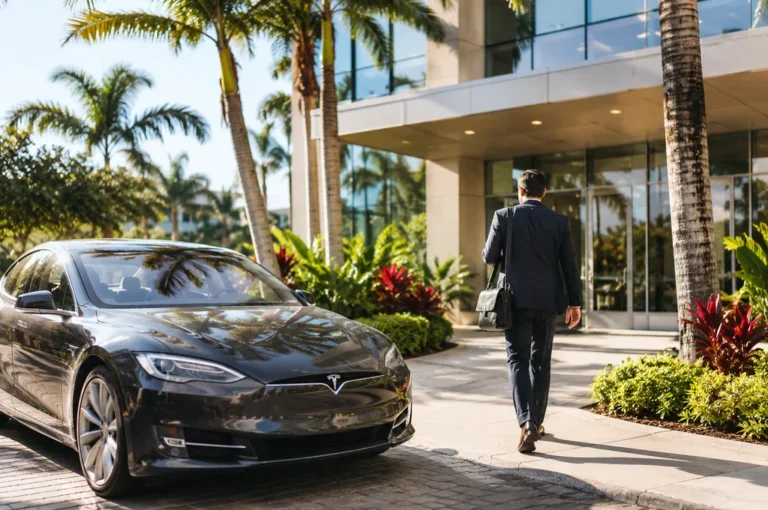

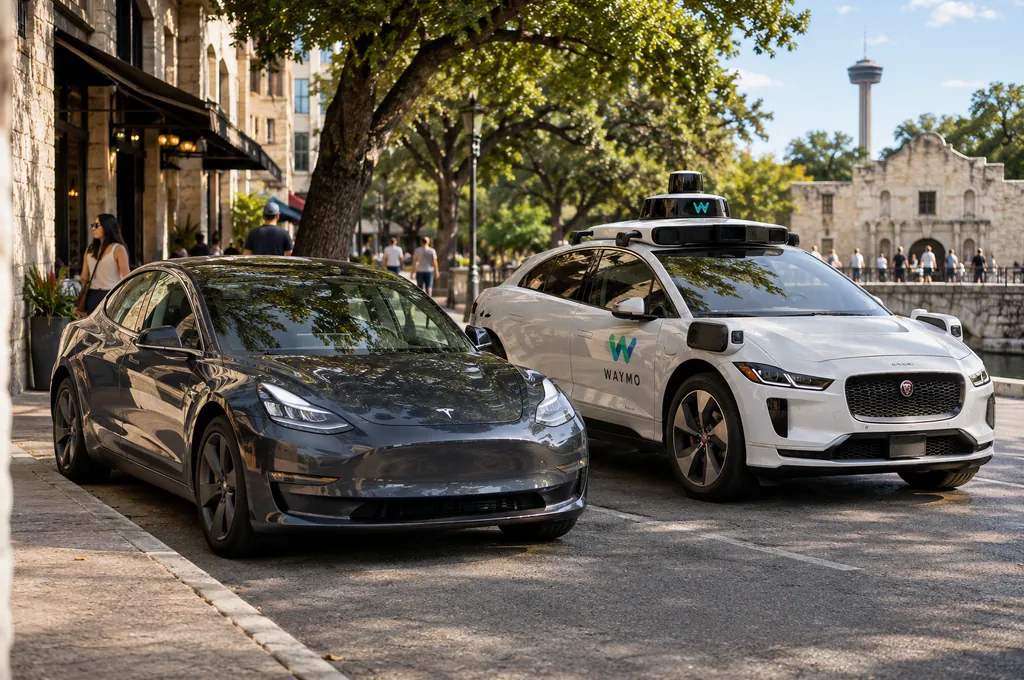
Tesla vs Waymo: San Antonio Express-News recently asked a simple question that cuts to the core of the EV revolution: Have you taken a ride in one of Waymo’s or Tesla’s robotaxis? The answer determines where you stand in the autonomous driving debate. One company relies on cameras and software, the other on LiDAR and mapping. Both promise a future without steering wheels, but the reality is starkly different today. This isn’t just a tech comparison; it is a battle for the soul of urban mobility.
⚡ Quick AI Overview & Key Recommendation
Waymo offers a safer, hands-free experience in limited cities like San Francisco and Phoenix, but it requires a subscription and isn’t widely available. Tesla’s Full Self-Driving (FSD) currently requires a driver to monitor the system, though its upcoming robotaxi service aims for true autonomy. For immediate convenience, Waymo is superior; for long-term tech investment, Tesla’s vision is the bolder gamble.
Tesla vs Waymo: [Focus Keyword]: Head-to-Head Specification Comparison
The specs tell a story of two different engineering philosophies. Tesla bets on raw processing power and neural networks. Waymo bets on precision mapping and sensor redundancy. Here is the breakdown of the hardware and software landscape.
| Feature | Tesla Model 3 (FSD) | Waymo Jaguar I-PACE |
|---|---|---|
| Primary Sensor Suite | 8 Cameras, 12 Ultrasonic Sensors | 5 LiDAR, 4 Radar, 12 Cameras |
| Processing Unit | HW4 Hardware (Onboard) | Custom Compute Cluster (Radar/LiDAR Fusion) |
| Navigation Method | End-to-End Neural Networks | HD Maps + Real-time Sensor Fusion |
| Current Availability | Public Beta (Requires Driver) | Robotaxi Fleet (No Driver Required) |
Key Differences: Real-World Performance, Comfort & Features
On paper, the specs look similar. In reality, the experience diverges sharply. Waymo’s system feels like a calm passenger. Tesla’s FSD feels like a nervous driver. This difference matters when you are stuck in traffic.
Waymo vehicles navigate complex urban environments with a calm confidence. They handle construction zones and erratic pedestrians with a patience that human drivers often lack. The Jaguar I-PACE platform used by Waymo offers a quiet, premium cabin experience. It feels like a luxury ride, not a test vehicle.
Tesla’s approach is more aggressive. The car accelerates quickly and brakes hard. It weaves through lanes to save time. This behavior maximizes efficiency but can be unsettling for passengers. The comfort comes from the Model 3 platform, but the software dictates the mood.
Another critical difference is the network. Waymo operates in specific geofenced zones. You cannot summon a Waymo in most of the country. Tesla, conversely, can drive almost anywhere. This ubiquity is Tesla’s greatest strength, even if the reliability is lower.
Final Buying Verdict: Which One Should You Buy?
The choice depends on your definition of a ride. If you want to own the car and control the destination, the Tesla Model 3 with FSD is the logical choice. You get the car, the tech, and the flexibility. It is an investment in a future that is arriving faster than you think.
If you simply want to get from point A to point B without touching the wheel, the Waymo One subscription is the winner. It is safer, more reliable, and requires zero effort. You do not need to own a car. You do not need to pay for insurance or maintenance. You just pay for the ride.
For the average consumer, the Tesla offers more utility. It is a car you can take on a road trip or use for daily commuting. Waymo is a service, not a product. It is the future of urban transport, but it is not yet a replacement for personal ownership.
Ultimately, the battle between Tesla and Waymo is a battle between software-defined vehicles and sensor-defined vehicles. Both are winning in their own way. The question is not which is better, but which fits your lifestyle.
Frequently Asked Questions
Is Tesla’s Full Self-Driving actually autonomous?
No. Tesla Full Self-Driving (FSD) is currently a Level 2+ system. It requires the driver to keep their hands on the wheel and eyes on the road at all times.
Where can you currently ride a Waymo robotaxi?
Waymo operates in limited areas of San Francisco, Phoenix, and Los Angeles. Expansion to other cities like San Antonio is planned but not yet live.
Which robotaxi is safer, Tesla or Waymo?
Waymo reports significantly fewer accidents per mile driven compared to Tesla’s FSD beta. Waymo’s LiDAR redundancy provides a more robust safety net.
How much does it cost to ride a Waymo?
Ride prices vary by distance and demand, typically ranging from $1 to $2 per mile. There is no upfront subscription fee for the service.
Will the Tesla Cybercab be available for purchase?
Tesla plans to release the Cybercab as a robotaxi service, not a personal consumer vehicle, though future consumer models are rumored.
Does Tesla use LiDAR for its autonomous driving?
No. Tesla removed LiDAR sensors from its vehicles in 2016, relying solely on cameras and radar for its vision-based approach.
Can you use Tesla FSD on highways?
Yes. Tesla’s Navigate on Autopilot is designed for highway driving, including lane changes, entering/exiting highways, and handling complex interchanges.
Is Waymo available in Texas?
Waymo has expanded its fleet to Austin and Houston, but it is not yet available in San Antonio or other major Texas cities.
What happens if a Tesla FSD car makes a mistake?
The human driver is responsible for the vehicle’s actions. Tesla holds no liability for accidents caused by software limitations.
Which company has more autonomous vehicles on the road?
Waymo currently has a larger fleet of fully driverless vehicles operating in public compared to Tesla’s beta testers.
The Road Ahead for Robotaxis
The competition between Tesla vs Waymo will define the next decade of transportation. Both companies are pushing the boundaries of what is possible. The winner will be the one that offers the best combination of safety, convenience, and cost.
Source: San Antonio Express-News (expressnews[dot]com)