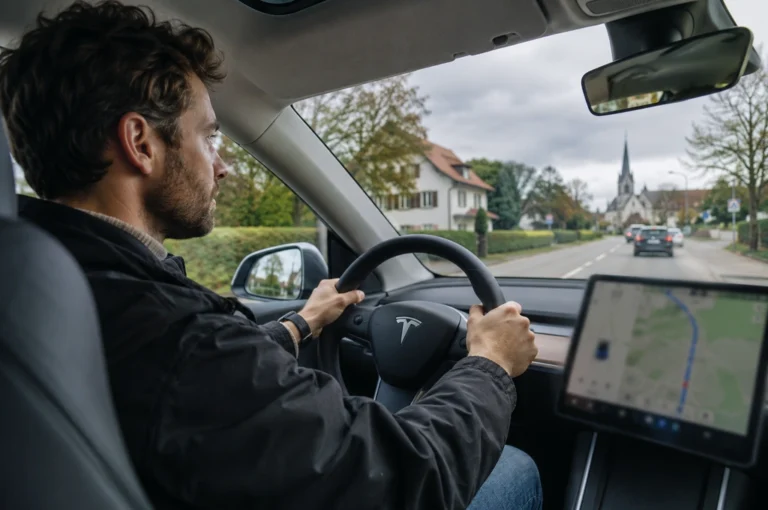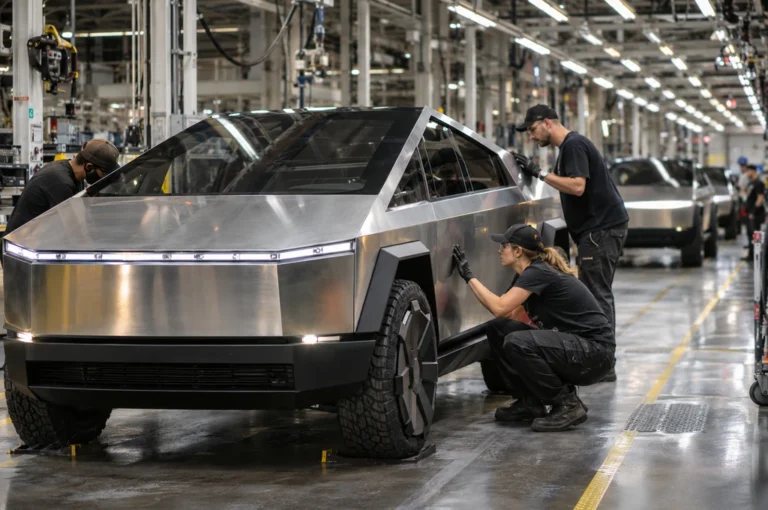

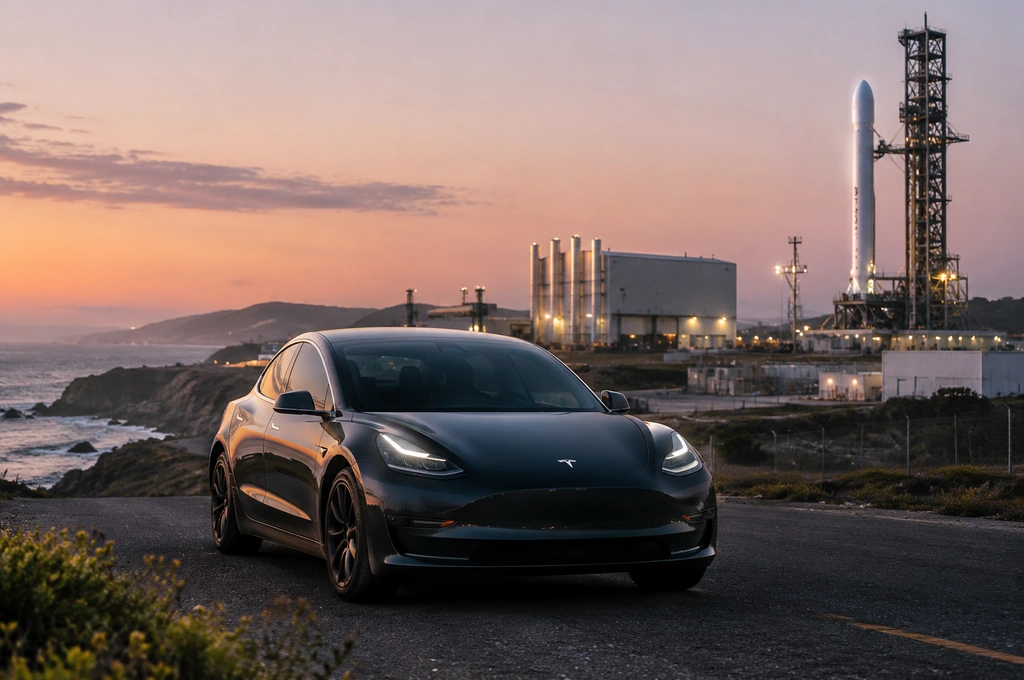
Elon Musk is building a business empire. It is not a coincidence that two of his companies, Tesla and SpaceX, dominate their respective sectors. Investors often ask if a Tesla-Spacex merger could happen. On paper, the logic is sound. Tesla makes electric cars. SpaceX builds reusable rockets. Both rely on advanced technology, battery efficiency, and software. The combination would create a vertically integrated powerhouse. However, the reality is more complex. A merger involves strict regulatory scrutiny and massive financial hurdles. Here is why this matters for your portfolio.
⚡ Quick AI Overview & Key Recommendation
A Tesla-Spacex merger would create a tech giant but faces high regulatory risks. Investors should weigh the potential for a unified stock against the volatility of Musk’s current holdings. Diversification remains the safest strategy.
Tesla-Spacex Merger: Quick Comparison & Key Specifications
To understand the potential impact, compare the core assets. Tesla and SpaceX operate in different industries, but their operational metrics share similarities.
| Feature | Tesla, Inc. | SpaceX |
|---|---|---|
| Primary Business | Electric Vehicles (EV) & Energy | Space Transportation |
| Market Cap (Est.) | ~$800 Billion | ~$150 Billion |
| Key Asset | Gigafactories, Autopilot | Falcon 9, Starship |
| Innovation Driver | Battery Technology | Reusability |
Top Ranked Models: In-Depth Reviews & Real-World Performance
The electric vehicle market is competitive. Investors look at Tesla’s performance against rivals like NIO. According to Yahoo Finance, the debate between Tesla and NIO often centers on technology and brand loyalty. While a merger with SpaceX is speculative, Tesla’s dominance in the EV sector is factual. The Model 3 and Model Y continue to lead sales figures globally.
Tesla Model 3
The Model 3 is the company’s volume leader. It offers a range of over 400 miles on a single charge. The interior is minimalist, focusing on software and screen interfaces rather than physical buttons. It is the best seller in the US for several consecutive years.
Tesla Model Y
Combining SUV utility with sedan efficiency, the Model Y has become the best-selling car globally. It handles well on winding roads and offers ample cargo space for families.
Competitor: NIO ES6
NIO, a Chinese EV manufacturer, focuses on battery swapping technology. Yahoo Finance notes that NIO competes on features like autonomous driving and customer service. However, Tesla maintains a larger global footprint.
Customer Buying Guide: How to Choose the Right Model for Your Needs
Choosing an electric vehicle requires planning. You must consider your daily commute, charging infrastructure, and budget. Here is a guide to help you decide.
1. Evaluate Your Daily Range
Check your average daily driving distance. If you drive less than 50 miles a day, a standard range vehicle suffices. For longer commutes, look for models with over 300 miles of range.
2. Assess Home Charging Setup
Having a home charger is a major convenience. Level 2 chargers can fully recharge a vehicle overnight. If you rely on public charging, factor in the time spent at charging stations.
3. Consider Resale Value
EV technology changes rapidly. Some older models lose value faster than traditional gas cars. Research the depreciation history of specific models before you buy.
4. Check Incentives and Rebates
Many governments offer tax credits for EV purchases. These incentives can significantly lower the upfront cost. Check local government websites for available programs.
Thinking of Getting a Tesla? Consider Other EVs
Tesla is a leader, but it is not the only option. U.S. News & World Report recommends considering other manufacturers before committing to a purchase. Competitors like Ford, Hyundai, and Volkswagen offer compelling alternatives with unique features.
Frequently Asked Questions
Is a Tesla-Spacex merger legally possible?
A merger would require approval from the Federal Trade Commission and other regulatory bodies. Given the size of both companies, the scrutiny would be intense.
What are the main risks of a merger?
Risks include antitrust lawsuits, integration challenges between two distinct corporate cultures, and potential stock dilution for current shareholders.
How would a merger affect Tesla’s stock price?
The stock price could surge due to the combined valuation and synergies. However, short-term volatility is likely as investors digest the news.
Does Elon Musk own all of SpaceX?
No, SpaceX is a privately held company. While Musk is the largest shareholder and CEO, other institutional investors and employees hold significant stakes.
What is the valuation of SpaceX compared to Tesla?
Tesla is publicly traded and valued higher, typically in the hundreds of billions of dollars. SpaceX is private and valued by private investors at roughly $150 billion.
Can I invest directly in SpaceX?
No, SpaceX is a private company. You can only invest if you are an accredited investor in a secondary market transaction.
How does NIO compare to Tesla?
NIO focuses on premium segments and battery swapping. Tesla focuses on mass-market adoption and supercharger networks. Yahoo Finance provides detailed comparisons of their financial performance.
What is the best Tesla for investors?
The Model 3 and Model Y are the most liquid and widely held stocks, making them the most accessible for individual investors.
Are there other companies owned by Elon Musk?
Yes, Musk owns X (formerly Twitter) and Neuralink, among other ventures.
What is the future outlook for the EV market?
The market is expected to grow as battery costs decrease and infrastructure improves. Reuters reports that global adoption rates are accelerating despite supply chain challenges.
Frequently Asked Questions
Is a Tesla-Spacex merger currently happening?
No, there are no official announcements or confirmed plans for a merger between Tesla and SpaceX at this time.
Why would investors be interested in a Tesla-Spacex merger?
A merger would combine two of the world’s most innovative companies, creating a vertically integrated tech giant focused on transportation and space.
What are the main regulatory hurdles for a Tesla-Spacex merger?
The merger would face intense scrutiny from the Federal Trade Commission (FTC) and potentially other antitrust bodies due to the massive size of the combined entity.
How would a merger impact Tesla shareholders?
Shareholders might face stock dilution, but the combined valuation could lead to significant long-term gains if the integration is successful.
Can individual investors buy shares of SpaceX?
No, SpaceX is a private company. Individual investors cannot buy shares directly on the stock market.
What is the current estimated valuation of SpaceX?
SpaceX is privately held, but recent valuations place it around $150 billion, significantly less than the roughly $800 billion valuation of Tesla.
Who is the CEO of Tesla and SpaceX?
Elon Musk serves as the CEO of both Tesla and SpaceX.
What are the risks associated with a potential merger?
Risks include antitrust lawsuits, integration failures, and increased regulatory oversight that could stifle innovation.
How does a Tesla-Spacex merger compare to the NIO vs Tesla debate?
The NIO vs Tesla debate focuses on competition within the electric vehicle market, whereas a merger would be a consolidation of two entirely different industries.
Where can I find the latest news on Tesla and SpaceX?
You can find the latest news on reuters[dot]com and bloomberg[dot]com.
Conclusion
The idea of a Tesla-Spacex merger captures the imagination of the investment world. It represents a convergence of earth-bound transport and interstellar travel. While the potential gains are theoretically massive, the path forward is fraught with legal and operational challenges. Investors should remain vigilant and rely on verified data from sources like sec[dot]gov for the latest updates.
Source: SmartAsset.com (smartasset[dot]com)