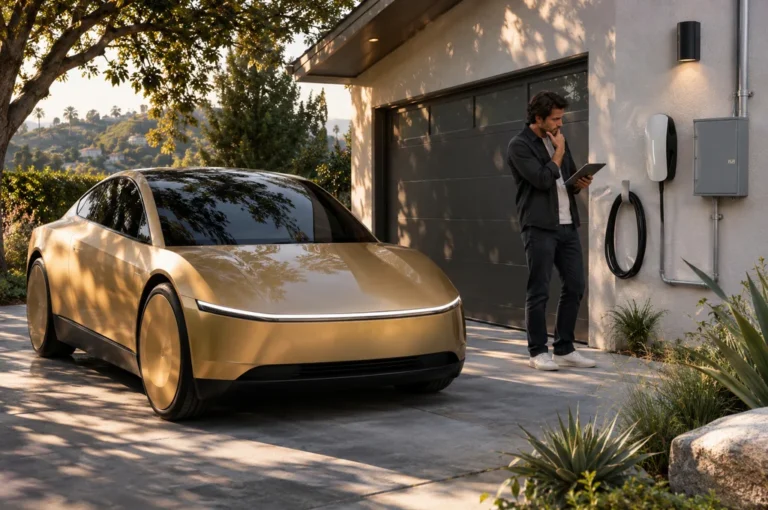
How to Buy a Tesla: Buying a Tesla requires more than just a swipe of a credit card. It demands a clear understanding of the models, the charging infrastructure, and the long-term financial implications. The electric vehicle market has evolved rapidly, creating a complex landscape for potential owners. SmartAsset provides a detailed breakdown of the process, but understanding the nuances is what separates a good purchase from a regrettable one.
⚡ Quick AI Overview & Key Recommendation
To buy a Tesla, choose between the Model 3/Y for affordability or the Model S/X for luxury. Compare $45,000-$75,000 prices, 275-400 mile ranges, and home charging setup. Check used car history and federal tax credits before signing.
How to Buy a Tesla: Core Evaluation Framework & Decision Matrix
The first step in the process involves selecting the right model for your specific needs. Tesla offers a limited but powerful lineup. The Model 3 and Model Y dominate the sales charts for good reason. They offer a balance of range, performance, and price that few competitors match. The Model S and Model X sit at the top of the luxury segment, offering superior materials and advanced features.
Here is a simple comparison framework to help you decide:
| Model | Starting Price | Range (EPA) | Best For |
|---|---|---|---|
| Model 3 | ~$40,000 | ~275 miles | Daily Commuter |
| Model Y | ~$45,000 | ~300 miles | Families |
| Model S | ~$75,000 | ~396 miles | Luxury Buyers |
| Model X | ~$80,000 | ~348 miles | Premium SUVs |
The decision matrix is rarely just about the sticker price. You must consider your daily driving distance and access to charging. If you live in an apartment, the Model 3 Standard Range Plus might be a tight squeeze for your budget and lifestyle. If you have a garage, the Model Y Long Range becomes a more compelling option due to its versatility.
Real-World Calculations: Running Costs, Range & Government Subsidies
Running costs for an electric vehicle are significantly lower than traditional petrol cars. Electricity is generally cheaper per mile than gasoline. A standard home charging setup can cost roughly $30 to $50 to fully charge a battery, depending on your local utility rates. That covers a range of 200 to 300 miles. In contrast, filling a gas tank for the same distance might cost $60 to $80.
Government incentives also play a massive role in the total cost of ownership. The federal tax credit for electric vehicles has fluctuated recently. Tesla models have often fallen out of eligibility due to production shifts in Mexico and battery sourcing changes. However, some state-level rebates remain available. You should check the specific incentives for your state before finalizing the purchase. A $5,000 state rebate effectively lowers the price of a Model Y by that amount.
Crucial Factors & What to Check Before You Buy
Buying a Tesla, especially a used one, requires a rigorous inspection. The vehicle history report is your most important tool. Look for accidents, flood damage, or title issues. Consumer Reports advises checking the battery health and software updates. A software glitch can render critical safety features non-functional. The Autopilot system requires specific sensor calibration after any windshield replacement.
After-sales service is another critical consideration. Tesla service centers can be booked months in advance. The wait times for repairs can be long. Independent Tesla mechanics are emerging, but finding a qualified one requires research. You should factor this potential downtime into your ownership plans. The warranty on the battery and drive unit is 8 years or 150,000 miles, but this can vary by jurisdiction and usage patterns.
Finally, consider the resale value. Tesla vehicles tend to hold their value better than almost any other car on the market. However, this is subject to market volatility. The rapid pace of software updates means your car will depreciate faster than a traditional luxury sedan with fewer features. You are buying a technology product, not just a vehicle.
Understanding these factors ensures you make a financially sound decision. The upfront cost is just one piece of the puzzle. The long-term ownership experience defines the true value of the car.
Frequently Asked Questions
What is the best Tesla model for the money?
The Model 3 Rear-Wheel Drive currently offers the best value proposition for most buyers, combining a competitive price point with reliable performance and sufficient range for daily commuting.
Does Tesla still qualify for the federal tax credit?
Many Tesla models no longer qualify for the federal tax credit due to changes in battery sourcing and production locations, though specific eligibility depends on the vehicle trim and current IRS regulations.
How much does it cost to charge a Tesla at home?
Charging a Tesla at home typically costs between $0.05 and $0.15 per kWh, resulting in an average cost of $10 to $15 to fully charge a standard battery, significantly less than a gasoline car for the same distance.
Is it worth buying a used Tesla?
Buying a used Tesla can be a smart move if you find a well-maintained vehicle with a clean title and full service history, as you can avoid the steepest depreciation curve that new cars experience.
What should I check before buying a used Tesla?
You should verify the vehicle history report for accidents, check the battery health percentage via the app, ensure all safety sensors are functioning, and confirm the software is up to date.
How long is the warranty on a Tesla battery?
Tesla offers an 8-year or 150,000-mile warranty on the battery and drive unit, depending on which mileage limit is reached first, providing significant protection for long-term ownership.
Can I charge my Tesla at any charging station?
Yes, Tesla vehicles come with the NACS charging port, which is now the industry standard, allowing you to charge at Tesla Superchargers as well as third-party networks using an adapter.
What is the difference between RWD and AWD Tesla models?
RWD models like the Model 3 are more efficient and cheaper to buy, while AWD models offer better acceleration and all-weather traction, though they consume more energy and cost more to purchase.
How long does it take to charge a Tesla to 80 percent?
Using a home Wall Connector, a Model 3 can charge from 10% to 80% in approximately 8 to 12 hours, while a Supercharger can achieve the same level of charge in about 30 to 45 minutes.
Is insurance more expensive for a Tesla?
Insurance premiums for Teslas can be higher than average due to the high cost of parts and repairs, though rates vary significantly based on your location and driving record.
Final Thoughts on How to Buy a Tesla
Navigating the process of how to buy a Tesla requires balancing upfront costs with long-term savings and maintenance considerations. A thorough evaluation of models and a careful inspection of the vehicle history are essential steps. The right choice depends on your specific financial situation and driving habits.
Source: SmartAsset (smartasset[dot]com)